Have Your Art & Eat It Too

image.jpg


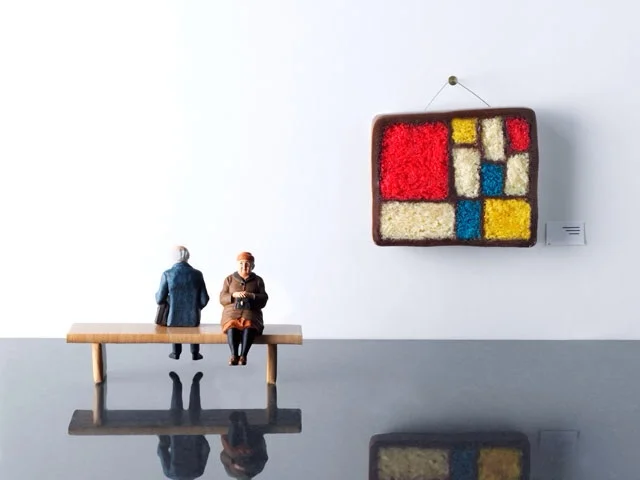
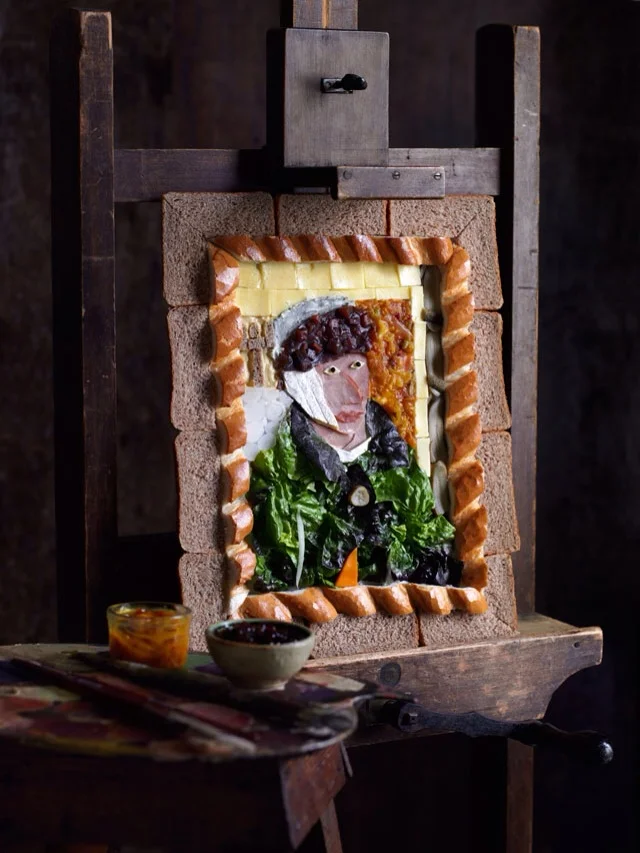
We all enjoy contemplating and admiring great works of art, but what about making and eating them? A newfundraising initiative from the UK-based nonprofit Art Fund is encouraging people to make art-inspired food creations, and for those who need a guiding hand, the fund offers recipes for a Damien Hirst skull cake, a Jackson Pollock Rice Krispies treat, Wedgewood shortbread, and more.
The project, Edible Masterpieces, seems like a direct descendent of the Blue Bottle Coffee spot at the San Francisco Museum of Modern Art, which, until the museum closed for renovations last summer, was serving up delicious modern art desserts (and non-desserts, like the Jasper Johns grilled cheese I ate when I visited). In fact, Edible Masterpieces includes its own version of Mondrian cake, the pastry for which the SFMOMA cafe is widely known  (who wore it better?), but Madeline Adeane, press relations manager at the Art Fund, explained to Hyperallergic that the organization’s version came about independently, during an in-office recipe trial event. “It’s such an iconic piece that lends itself, evidently, to baking,” she said. 


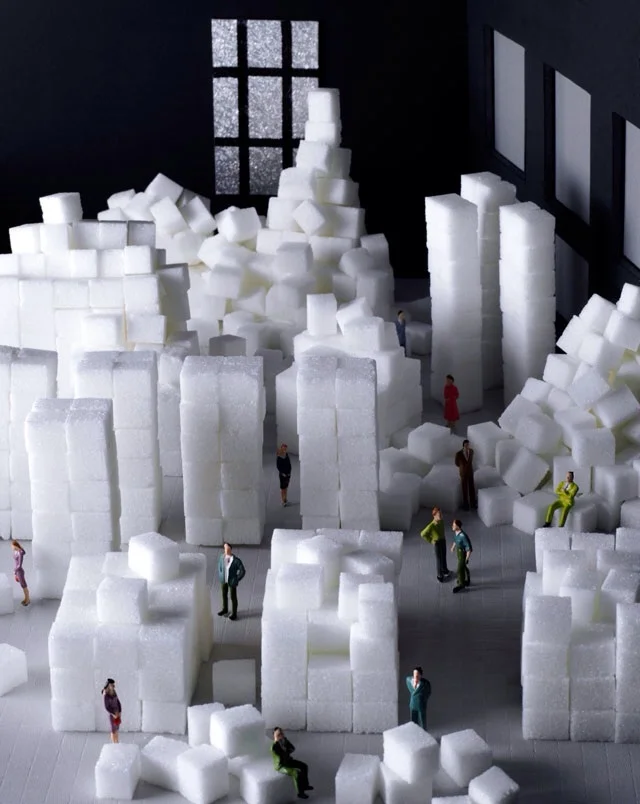
Edible Masterpieces is decidedly cheekier and more playful with its creations than Blue Bottle, reminding me somewhat of the arty food creations for sale at last year’s Frieze New York art fair (Mapplethorpe bananas, anyone?). The Vincent van Gogh Ploughman’s (for the uninitiated) is a personal favorite, as is the Pollock Rice Krispies treat, which calls for “splash[ing] the four colours [of icing] over the cake until you are satisfied that you have done Pollock justice, or maybe even out-done him.” And for those overwhelmed by the difficulty level of the Damien Hirst skull cake, you can try the far simpler Rachel Whiteread installation, which consists only of sugar cubes. As Adeane said, “no recipe needed, just arrange as you see fit.”

Edible Masterpieces is, ultimately, meant to be a fundraiser: on May 9, after making your art creations, you can sell them, or charge your friends to eat or take pictures (#ediblemasterpieces). It’ll be tough to watch your hard work disappear so quickly, but the best edible victories are fleeting. And the money you donate to the Art Fund will in turn be donated to UK museums and galleries, where you can go to find inspiration for the next batch of arty food.


via http://hyperallergic.com/111186/have-your-art-and-eat-it-too/


image.jpg
image.jpg

Food & Beverages Made from the Human Body Nom, (EWW) Nom

While eating human flesh may be the ultimate taboo, human microbes, saliva, and even hair have been integral to the making of certain food and beverages. From traditional brews to culinary concept art, here are seven edibles that started, in part, inside the human body.

Top image from the microbe-themed anime Moyashimon.

Kuchikami Sake: The use of human saliva in fermentation actually predates the advent of rice farming in Japan. During the Jōmon period, folks would chew starchy foods like acorns, millet, and buckwheat to create fermentation starters. The amylase enzymes in human saliva breaks down the complex sugars in these foods, after which wild yeasts could feed on the sugars and convert them into alcohol. With the introduction of wet rice farming came the earliest forms of sake; the brewer would have someone (preferably a female virgin, according to some sources) chew a few mouthfuls of rice and spit them into a larger vat of rice and leave the mixture to ferment into kuchikami-zake, "mouth-chewed sake." However, by the time the Imperial brewing department was established in the city of Nara in the late 7th century, other methods of sake brewing had risen to prominence, making kuchikami sake largely a thing of the past.

Below: Live action episode of Moyashimon with the Kuchikame Sake segment.

19afqw3r4fmspjpg.jpg

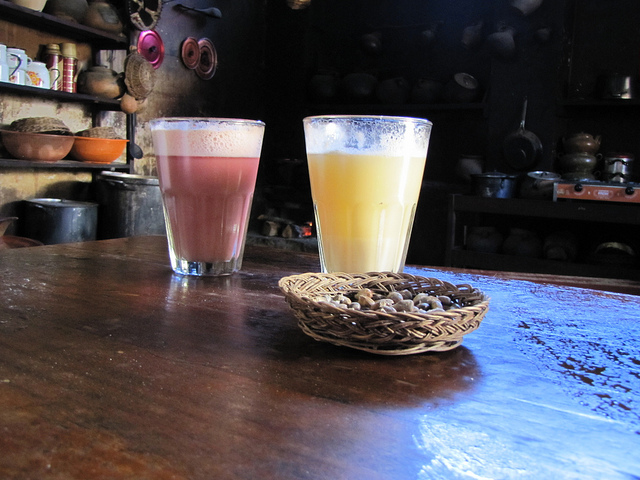
Chicha: Much like sake, the largely maize-derived beverages known as chicha can be prepared by first germinating the starches or chewing them to break down the complex sugars into maltose. Chicha also goes back millennia; in the Inca Empire, women who served the cloistered Aqlla Wasi ("House of the Chosen Women") learned to brew chicha for rituals. The beverage is still brewed in parts of modern Central and South America, and in some places, human saliva is still an integral part of the process. Another traditional chicha-like beverage is called nihamanchi and is prepared by chewing and fermenting manioc tubers.

Breast Milk Dairy Products: Of course, there is one complete food that some humans produce straight from their own bodies: breast milk. Breast milk provides all of the nutrition a growing human needs, and it may be possible even for adult humans to survive entirely on a diet of the stuff. And recently, some culinary adventurers have been experimenting with making foodstuffs from human milk the same way we typically make them from cow, sheep, and goat's milk. In 2011, a London ice cream shop known as The Icecreamists made a human milk ice cream called "Baby Gaga." (The first batch sold out in a few days at £14 per serving.) Manhattan chef Daniel Angerer incurred the wrath of the New York Health Department in 2010 after serving cheese made from his wife's breast milk at his Klee Brasserie. And in 2011, Miriam Simun launched the Lady Cheese Shop, a temporary art installation at a New York gallery where she invited patrons to taste various breast milk cheeses. Plus, nursing mothers have experimented with breast milk recipes in the privacy of their own homes. Earlier this year, Inhabitots rounded up ten breast milk recipes, from Your Milk Yogurt to Breast Milk Butter to Lactation Lasagna.

Human Microbe Cheese: You can contribute to the making of cheese even if you don't lactate. Biologist Christina Agapakis recently teamed up with odor artist Sissel Tolaas to craft 11 cheeses cultured using human microbes. They swabbed between toes, inside mouths, and even in food writer Michael Pollan's bellybutton to create cheeses that are the antithesis of the antiseptic foods so common in Western cuisine. However, the emphasis of the project was on the odor, rather than the flavor, of the resulting cheeses.

Some Products Containing L-cysteine: L-cysteine is an amino acid that is frequently found as a softening agent in commercial bread products, such as bagels, packaged bread loaves, and pizza dough. It can be harvested from duck feathers or synthesized in a lab, but what turns a lot of folks off to the additive is that it can also come from human hair. It's unclear, however, how much human hair-derived L-cysteine ends up in our food, however. In 2010, Mother Jones questioned a number of companies about the origins of their L-cysteine, and few were willing to give a definitive answer (and the few that did answered, "duck feathers"). A researcher at one dough conditioning company claimed that "plenty of companies" harvest theirs from human hair.

Products Containing Human-Derived Probiotics: You know all those advertisements touting the health benefits of microbe-infused yogurts and dairy drinks? What they usually don't tell you is where the parents of those microbes originated. It makes sense that many probiotics that are supposed to have a positive impact on your microbiome would have their origins in the human gut, but it doesn't make for great marketing. For example, Yakult contains the bacterium strain Lactobacillus casei Shirota, which a paper in Clinical and Vaccine Immunology notes was originally isolated from human feces at the Yakult Central Institute for Microbiological Research.

19afqnttd8o7yjpg.jpg

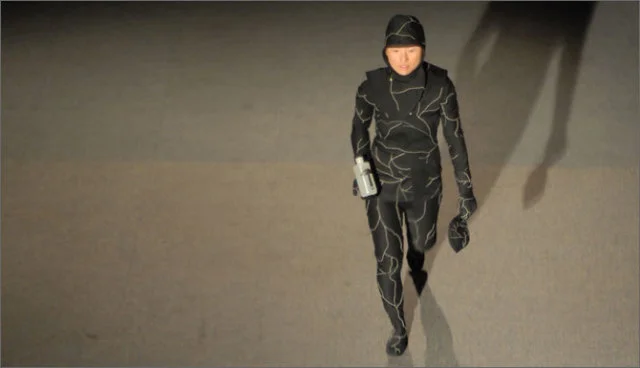
Corpse-Eating Mushrooms: Here's the good news for squeamish eaters: you probably won't be eating mushrooms reared on the decay of human corpses any time soon. Certain mushrooms belonging to the genus Hebeloma thrive around mammal carrion, including human corpses. In fact, Hebeloma syriense is known as the "corpse finder" mushroom because of its tendency to grow near and above human corpses. However, most species of Hebeloma are considered inedible, and many are actually poisonous. Just two species are listed in guides as edible: Hebeloma mesophaeum and Hebeloma fastibile. But artist Jae Rhim Lee recently made headlines with her Mushroom Death Suit concept, which imagines corpses buried in a suit covered with edible mushroom spores. Lee uses shiitakes and oyster mushrooms for her initial concept, both of which are typically cultivated on trees. Oyster mushrooms are actually one of the few carnivorous species of mushrooms, but they chow down on nematodes, not rotting mammals. We'll have to see how Lee's tests on her burial suit pan out.

Via I09

MRE's By Country, Nom nom?

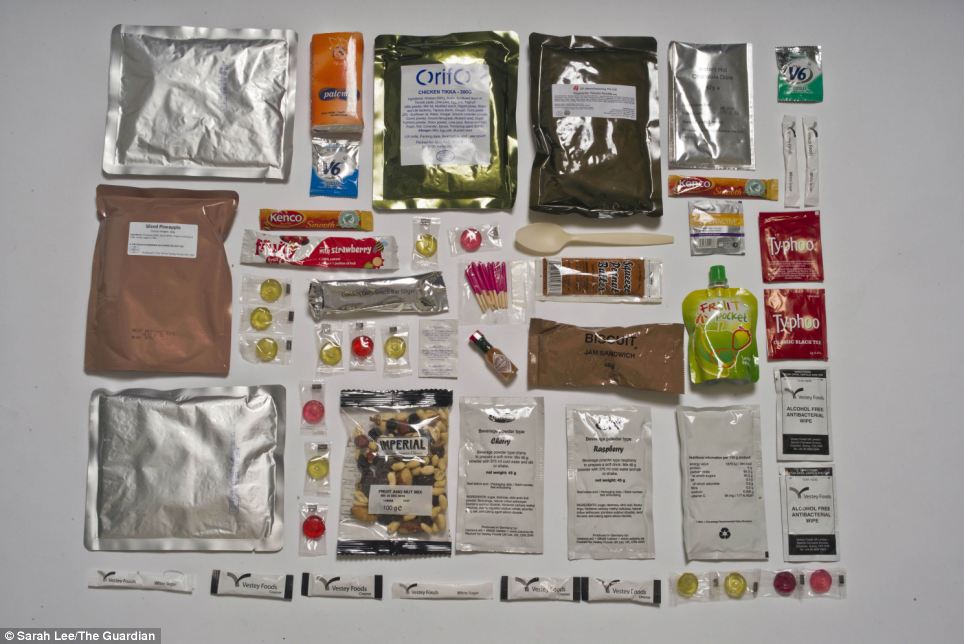
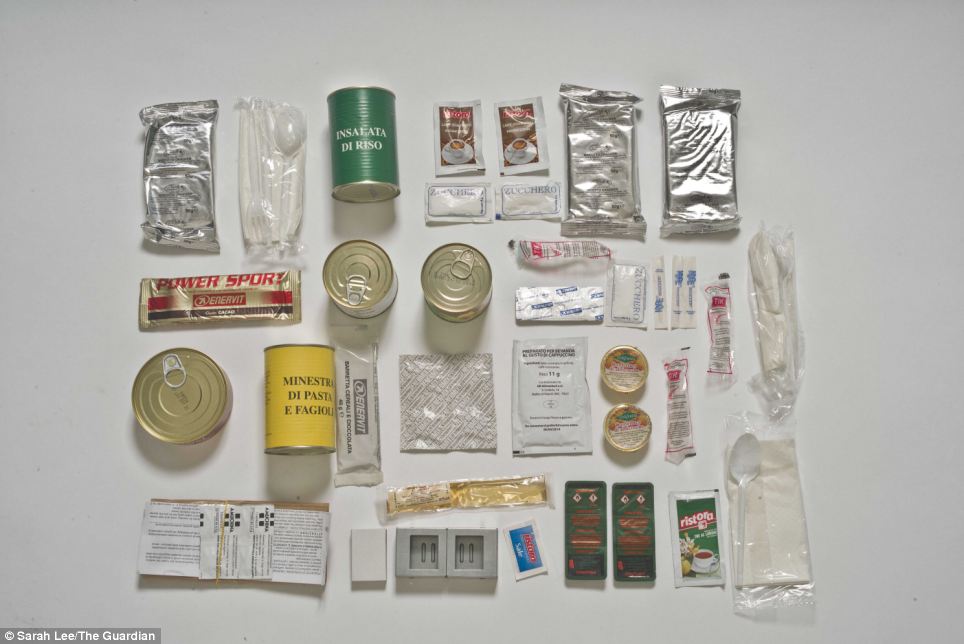
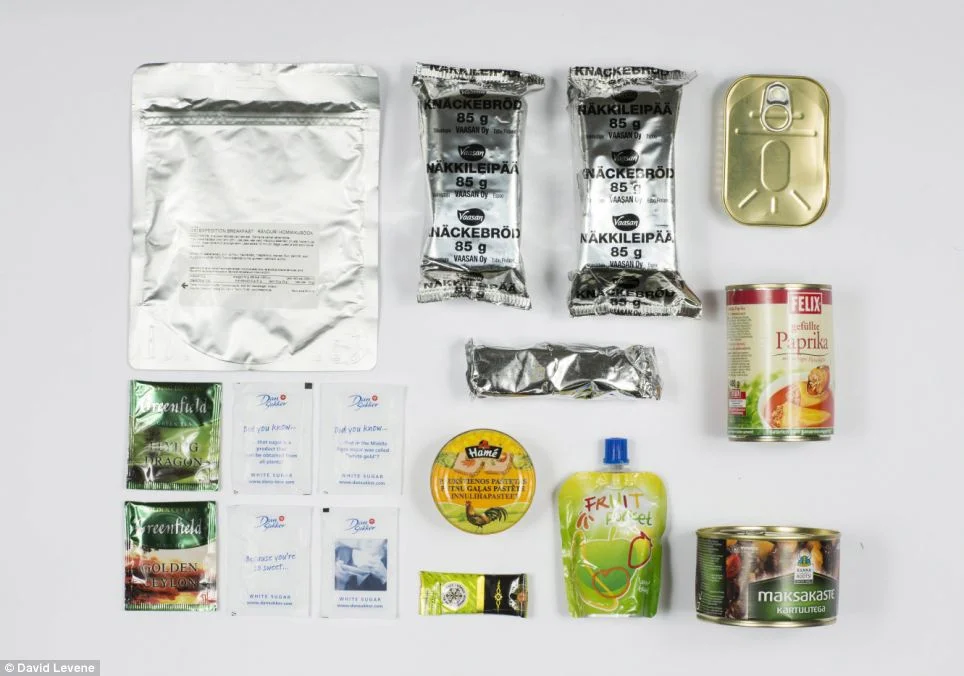
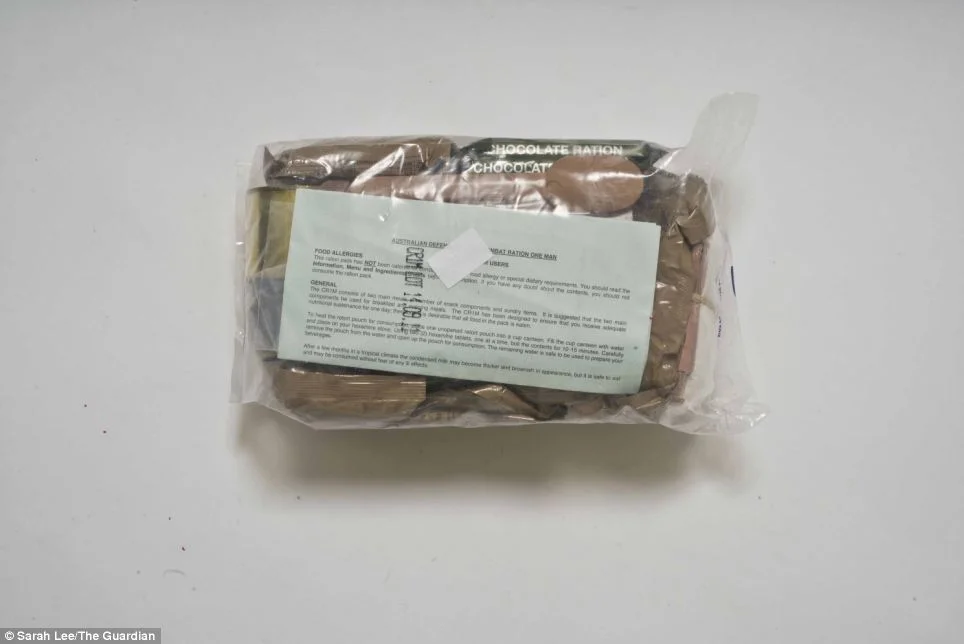
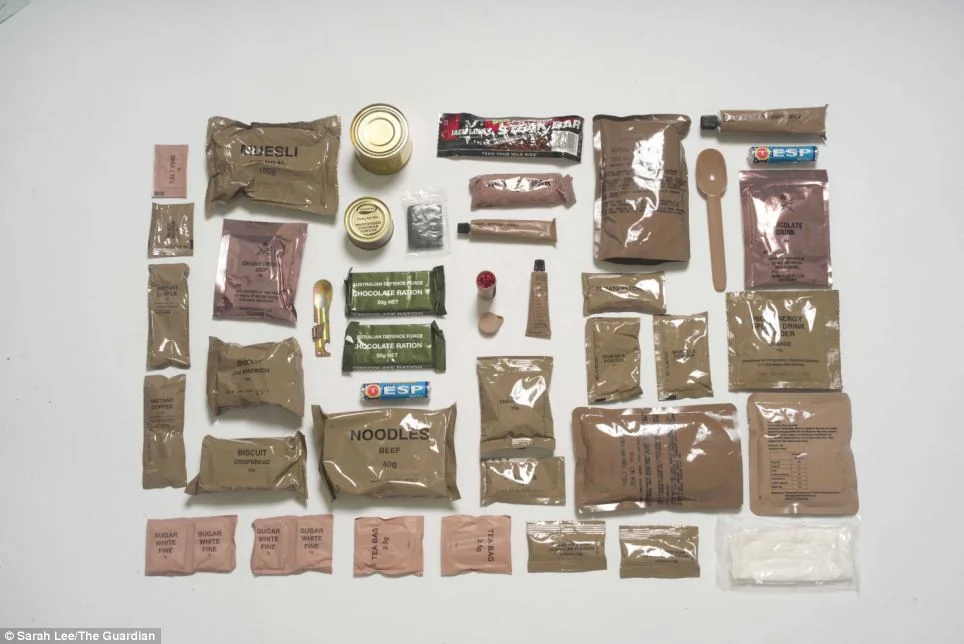
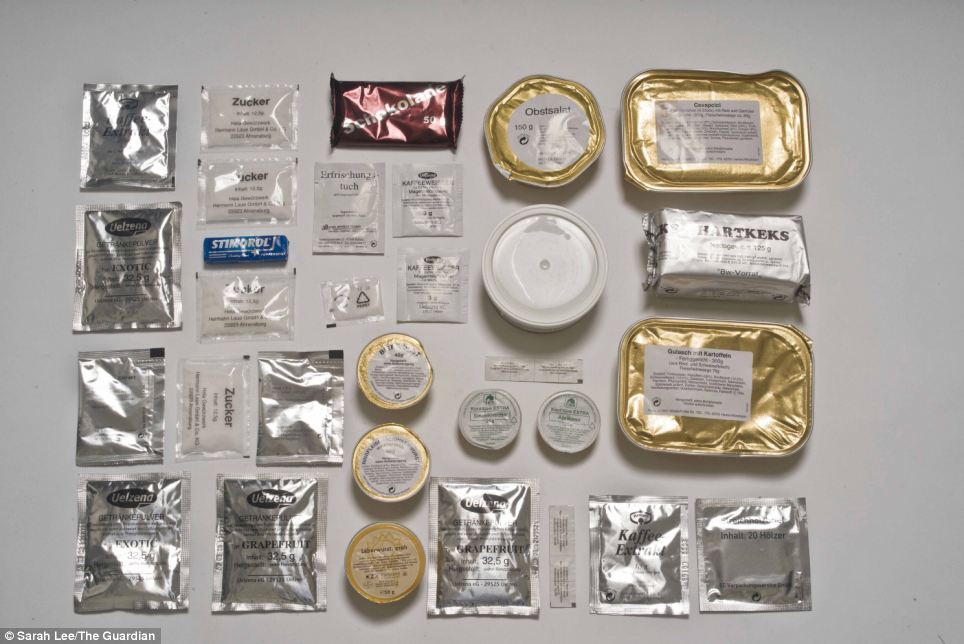
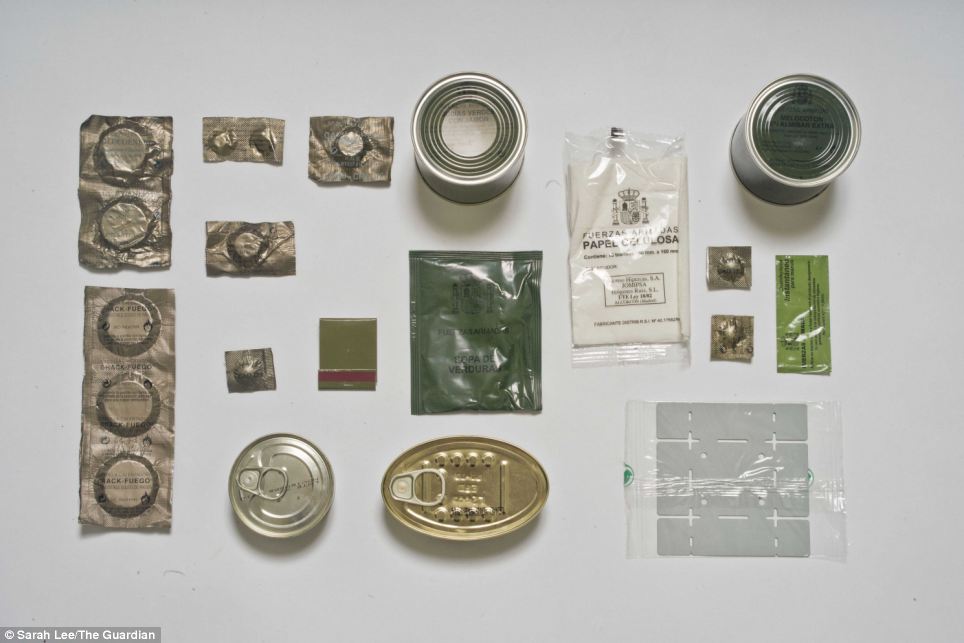
Napoleon famously said that 'an army marches on its stomach', but who knew that soldiers from across the world would be powered by such a diverse range of foodstuffs including Tabasco sauce for the British and a shot of alcohol for the Italian troops?

Operational ration packs including canned, freeze-dried or pre-cooked food are dished out to many servicemen and women on the front line, providing enough food to get them through 24 hours and millions of pounds have been spent on making them as appetising as possible, with gadgets including heaters to warm the meals also included in the packs.

British troops serving in Afghanistan find themselves tucking into favourites from home including chicken tikka masala, vegetarian pasta and jam-filled biscuits, as well as familiar brands such as Typhoo tea and Kenco coffee with a tiny bottle of Tabasco sauce to spice up their meals.

Although the French used to include red wine with their ration packs they now must make do with venison pate and duck confit, as it is now only the Italians who are provided with any type of alcohol in the form of a miniature measure of 40 per cent alcohol 'cordiale' .

Estonian troops snack on smoked sprats, stuffed peppers and halva, while German forces enjoy liver sausage spread and rye bread.

The ration packs were collected from troops from across the world serving in Kabul, Afghanistan by the Guardian newspaper for a dinner in aid of charities School of Leadership, Afghanistan and The Afghan Schools Trust, attended by diplomats, aid workers, security contractors and other officials.

As they are legally banned from giving away ration packs, the Americans were unable contribute to dinner, although US ration packs can sometimes be purchased in markets should they fail to make it to Afghanistan via Pakistan. Peanut butter, spiced apple cider, almond poppy seed pound cake, cranberries and tropical punch give US soldiers a taste of home while on the front line.

Via Daily Mail

The Return Of NBC’s "Heroes"

“[W]e look forward to all the new textures and layers Tim plans to add to his original concept,” said NBC Entertainment President Jennifer Salke in the release. “Until we get closer to air in 2015, the show will be appropriately shrouded in secrecy, but we won’t rule out the possibility of some of the show’s original cast members popping back in.”

I wont lie, I'm going to watch this mini series just as I suffered all of season 2 and 3 before finally giving up.

Rogen to make Console Wars film.............(Sega will always have special place in my gaming heart)

In the 1990s, an arms race kicked off in the living room between videogame makers Sega and Nintendo. From the Sega Master System to the DreamCast, from the Nintendo Entertainment System to Nintendo 64, the fight for which company could boast the best graphics and games — and move the most units — raged between them as they angled for market share. (And shed a tear for anyone who tried to elbow their way in — sorry TurboGrafx 16). And now that story is booting up to the big screen.

Scott Rudin will produce an adaptation of the book "Console Wars" by Blake J. Harris with Seth Rogen and Evan Goldberg to write and direct. The pair are a pretty spot on choice for this gig; not only do they have the right geek credentials, they were coming of age right at the time of the Sega/Nintendo showdown which should give them a solid insight on everything that went down. Here's the synopsis from Amazon

Following the success of The Accidental Billionaires and Moneyball comes Console Wars—a mesmerizing, behind-the-scenes business thriller that chronicles how Sega, a small, scrappy gaming company led by an unlikely visionary and a team of rebels, took on the juggernaut Nintendo and revolutionized the video game industry.

In 1990, Nintendo had a virtual monopoly on the video game industry. Sega, on the other hand, was just a faltering arcade company with big aspirations and even bigger personalities. But that would all change with the arrival of Tom Kalinske, a man who knew nothing about videogames and everything about fighting uphill battles. His unconventional tactics, combined with the blood, sweat and bold ideas of his renegade employees, transformed Sega and eventually led to a ruthless David-and-Goliath showdown with rival Nintendo.

The battle was vicious, relentless, and highly profitable, eventually sparking a global corporate war that would be fought on several fronts: from living rooms and schoolyards to boardrooms and Congress. It was a once-in-a-lifetime, no-holds-barred conflict that pitted brother against brother, kid against adult, Sonic against Mario, and the US against Japan.

Based on over two hundred interviews with former Sega and Nintendo employees, Console Wars is the underdog tale of how Kalinske miraculously turned an industry punchline into a market leader. It’s the story of how a humble family man, with an extraordinary imagination and a gift for turning problems into competitive advantages, inspired a team of underdogs to slay a giant and, as a result, birth a $60 billion dollar industry.

Following the success of "The Social Network," Rudin has been turning to the tech world to find more material for the screen both big and small. He's producing the upcoming HBO series "Silicon Valley," and is also developing the Steve Jobs biopic based on Walter Isaacson's bestselling biography. No word yet on where "Console Wars" will fit into Rogen and Goldberg's busy slate, but hopefully it won't get lost in the shuffle.

Via indiewire

Gnarly weekend on H Street

FRIDAY AT THE LODGE - NO OFFENSE

DJ's Basscamp, Micah Vellian & friends team up for a night of dance floor blazers at The Lodge At RedRocks. 

9pm-2am
NO COVER!

FRIDAY AT STICKY RICE - THE PARTY HARDER PARTY

John & Laura team up again for their wild rager of ass shaking videos & PBR's at Sticky Rice. 

10pm-2am
NO COVER!

SATURDAY AT THE LODGE - RICH MEDINA

Hip-hop legend Rich Medina rocks The Lodge with hometown hero's, JahSonic & Sharkey

9pm-2am
NO COVER!

SATURDAY AT STICKY RICE - STEREO FAITH

DC party rock prince, Stereo Faith rocks Sticky Rice.  

10pm-2am
NO COVER!

stereo-header-facebook.jpg

Airline seats are getting smaller use to be 1.5 inches larger


image.jpg


It’s not your imagination—the already cramped, uncomfortable airline seat is shrinking even more.

The airlines have a good financial reason: Carriers are investing money, space, and design smarts—but mostly in the front of the plane.  While catering to business and premium economy flyers, they’re literally shrinking seats in coach.

At one point in aviation history, the width between coach seat armrests was about 18.5 in. on Boeings’s 777 in the ’90s and in the A380 in the 2000s.

Today, domestic travel is getting even more crunched. The width between coach seats is at best 8.25 in., and is usually less than that. According to SeatGuru.com, United Airlines flies Boeing 757s with seats that are only 17 in. wide, both in Economy and Economy Plus; Delta’s Airbus 319s  have seats that are a mere 17.2 inches wide in Economy and Economy Comfort.

But historically, coach travel has never been spacious. By comparison, the average width for seats at Dodgers Stadium is 20 in., and seats on Amtrak’s Acela are 23 in. across.

On airplanes there’s another measure you really notice: seat pitch. That’s the distance between seat backs, which is the difference between being able to open your laptop and having your knees pressed against your chest.

Typical seat pitch ranges from 31 to 34 in., but perhaps the most egregious of them all is on Spirit Airlines, which has a gut-cramming seat pitch of 28 in. To make matters worse, Spirit is also the leader of something called “preclined” seats, in which the back is stuck at a 3-in. recline. That’s not much worse than the typical 5-degree recline, but the fact that there’s no option doesn’t sit well with most passengers.

To make matters worse, some airlines are now trying to physically cram even more seats into the coach rows.

New American Airlines’ 777-300ERs fit 10 coach seats per row (3-4-3) compared to the old standard of nine seats across. The new seats are narrower than before at 17 in. across. Meanwhile, in the front of the aircraft, there are some noticeable improvements, like fully lie-flat 6’8” beds in First Class and fully lie flat seats that are 26 inches wide with aisle access in business.

In many cases, adding more seats is made possible by slimming down. The Recaro Slimline model of seat is already hugely popular in Europe—you may have encountered them on Lufthansa—and now they’re rolling out in the US on several airlines. United’s upgrade of its A319 and A320 fleet include the slimmer seats, which use lighter, thinner material.

Alaska Airlines has begun installing slimline seating on its new Boeing 737-900ERs, which are about 30% lighter than the older, bulkier models This move is estimated to save 8,000 gallons of fuel a year per aircraft. As a tradeoff to continue to entice passengers, Alaska is also installing power outlets in each seat.

Airlines try to sell the concept as “roomier,” since the thinner models have allowed them to add more seats without sacrificing a lot of space. And perhaps the change isn’t so bad: A recent TripAdvisor survey of almost 1,400 people found that nearly 50% weren’t even sure if they had sat on slimline seating. But of those who were aware, 83% said they were less comfortable than in traditional seats.

In the economy and coach sections, the seats are not going to get demonstrably better. Last year global airlines were projected to rake in $23.9 billion (pdf) in a la carte fees. The idea is simple: Eliminate basic comforts in coach seats, and passengers are forced to pay for them a la carte: additional legroom, Wi-Fi, meals, and other services to make the time in the air bearable.

So take my advice: Go to the bathroom before the flight takes off, and get a window seat. At least you can lean in one direction without annoying anyone, and no one will be crawling over you.

via qz.com  

50 Shades of ....enough already

For only $89.99 Vermont Teddy bears has bondage Teddy for you

image.jpg


Dominate Valentine's Day this year. Surprise the one you can't get enough of with this irresistible Bear made with smoky fur and smoldering blue eyes. He wears a handsome grey suit with silver tie, and even comes complete with a mask and a pair of handcuffs. He's more than 50 shades of fun, and your Valentine can't help but submit to loving him.

Be in the Game.


image.jpg


A new game facility that locks participants in a room from which they must escape has opened in Richmond, B.C.

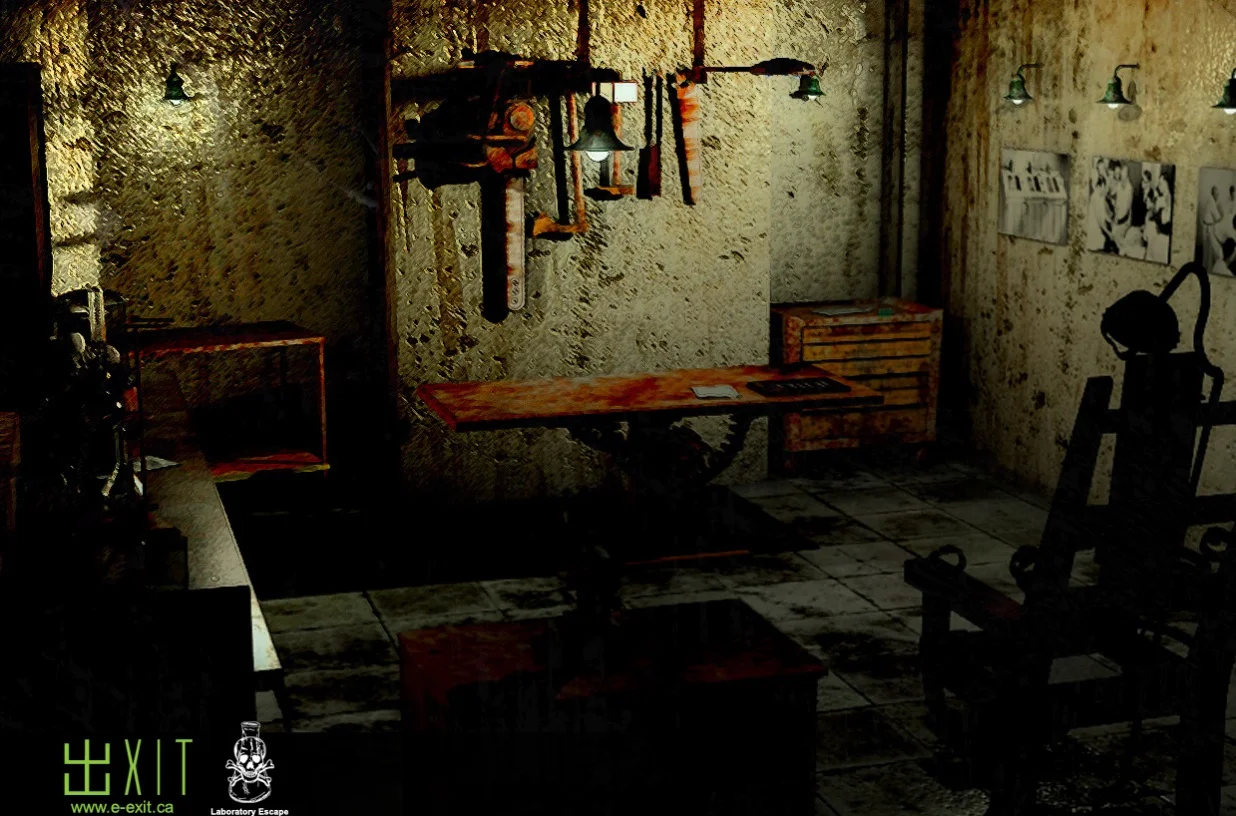
EXIT has four themed rooms: The Lost Ship, Ancient Egypt, Prison Escape and Laboratory Escape. Groups of anywhere from two to six people have 45 minutes to figure out how to get out by using critical thinking skills to solve challenges and riddles.

“It involves a lot of different skills to solve,” said owner Justin Tang, who discovered the concept in his homeland of Hong Kong, where it is wildly popular.

“You need some basic math, and you need teamwork, so it’s not only thinking, it might be some action where you have to co-operate with a teammate.”

The “real life escape room” business was inspired several years ago by “escape room” video games popularized in Japan, and has already taken off in the U.S., England, Switzerland, Japan, Taiwan, Malaysia, Thailand, and Mainland China.

Tang said business is booming and he has already had about 7,000 players come through since he opened in October.

“I’ve been in Canada for over 16 years, and I really think that, especially in British Columbia, we need more entertainment,” he said, chuckling.

“I explored around the world and I found this idea, and I think that Canadians definitely enjoy this kind of experience, and so far what I’ve heard from my customers is positive.”

Tang added he has already had franchise inquiries from San Francisco, Montreal and Toronto.

H has booked players as young as nine, but because of the sophistication of the game said it is recommended for ages 16 and up. The cost per game is $22.99 per person plus GST.

VIA Metro

Chinese Singles Buy Movie Tickets So Couples Can’t Sit Together on Valentine’s Day

Bless them. Bless their cold, dark hearts.

screen-shot-2014-02-14-at-2-23-43-pm.png

In what might be the greatest-ever Valentine’s Day prank, a group of Shanghai singles purchased every odd-numbered seat for a Feb. 14 showing of Beijing Love Story. Their sole purpose: disrupting  lovey-dovey dates. “Want to see a movie on Valentine’s Day?” asks a message posted by an organizer.  “Sorry, you’ll have to sit separately. Absence makes the heart grow fonder.”

Tell that to the millions of Chinese who will be spending the day in the absence of a date. With a population of 1.3 billion, China naturally has hefty share of the world’s singletons. This is compounded by a dramatic gender imbalance. Thanks to the one-child policy and preference for sons, there are an estimated 34 million ‘surplus  men’ in China — a whole lot of lonely hearts.

Luckily, the country’s unattached have a history of being awesome; they’ve even got their own day. Since the 1990s, Nov. 11 has been celebrated as Singles Day. It was picked because the numerals — 11/11 — are said to look like ‘bare branches,’ a Chinese term for bachelors. It started as an occasion to get together for a meal, but has since morphed into a multi-billion dollar orgy of online shopping.

Valentine’s day is also celebrated (if you’re into that type of thing).  As I left my apartment block this morning, an older gentleman entered through the lantern-drapped gate, a bouquet of pink and white flowers tucked under his arm. All of Beijing’s best restaurants have been booked up table-for-two by table-for-two.

The self-described “computer nerd” that spearheaded the Shanghai theater stunt said he was just trying to do something nice for fellow singles. He initially tried to buy all the the tickets in the theater, he told the Shanghai Morning Post, but was turned down. Things came together when he started a campaign on a crowd-funding site and, working with fellow singles, snapped up the requisite seats

Via Time

Why The Comcast-Time Warner Cable Merger You Hate Will Be Approved Anyway

Comcast has been through this type of regulatory dance before, and has always won.

enhanced-buzz-30226-1392312993-8.jpg

Consumer groups and media activists are outraged by Comcast’s $45.2 billion deal to acquire Time Warner Cable, which makes the biggest pay-TV provider in the country even larger, adding 12 million subscribers to its 22 million for a combined total of 34 million. Customers of the respective companies are already bracing for higher prices and worse service, claiming regulators cannot allow this national monopoly to be approved.

But here’s the thing: it almost certainly will be approved, and for one simple reason — Comcast has never lost one of these fights before. Way back in November, the company had already begun seeking advice about concerns the U.S. Department of Justice and Federal Communications Commission, the two regulatory bodies that will review the deal, might have if it bought Time Warner Cable. It is clearly evident from the way Comcast has framed the deal as both pro-competition and pro-consumer that its army of lawyers have not only anticipated what regulators may take issue with, but also drawn up plans for how to address them.

For instance, with regards to subscribers, Comcast has already said that it would sell three million customers to bring its subscriber count down to 30 million. As Chief Executive Brian Roberts said on a conference call with the media Thursday, that would bring Comcast post-deal below the 30% market share ownership cap previously mandated by regulators. It would also leave Comcast with roughly the same number of subscribers as it had after its $72 billion AT&T Broadband deal in 2001, when the environment for television, broadband, telephony, and wireless services was significantly less competitive.

Indeed, though Roberts said he expects a tough regulatory review to unfold over the 9-12 months, he added that there is nothing in this deal “that we think is different than lots of cable transactions.”

“There is no business overlap,” Roberts said, referring to the fact that Comcast and Time Warner Cable operate in distinct markets because of the way cable contracts are granted. “We are not removing a competitor or choice from any consumer.”

Moreover, Roberts is framing the purchase not as a cable deal, but as a video and broadband one. As Comcast points out in a “public interest benefits summary,” it competes with satellite television providers like DirecTV and telecom companies such as Verizon on distribution, Google on broadband service in some markets, and even digital video providers like Amazon, Hulu, and Netflix.

In making this argument, what Comcast is doing is expanding the “addressable market’ in which the company competes beyond cable. It is following the same blueprint Sirius Satellite Radio used in getting regulators to approve its merger with XM Satellite radio in 2008. Only difference is in that case those were actually the only two companies in satellite radio and combining did indeed create a monopoly, but it was still approved by regulators because they couldn’t ignore new competitors that technological advancement gave rise to like iTunes.

The pay-TV environment in recent years has been marked by a number of disputes over the fees distributors like Comcast pay to network owners such as Viacom. The increased size and market power Comcast would gain over network owners from this deal is likely to be of concern for regulators. But that simply isn’t a compelling enough reason on its own to reject the deal, particularly when juxtaposed against the fact that the single biggest expense Comcast or any other pay-TV provider has is on programming.

The biggest concern regulators are likely to have is over the combined company’s control of broadband access to more than one-third of consumers in the country, particularly in light of a recent ruling striking down “net neutrality.” Here is likely where the bulk of the review will focus and where regulators will likely seek the most concessions and service guarantees.

But again, Comcast is well aware of this and is already laying the groundwork for its counterargument. On the conference call, Roberts played up the company’s “Internet Essentials” program, which brings affordable broadband access and Internet training to low-income families, schools and communities. With regards to potential accusations of “throttling,” or slowing down Internet speeds for high bandwidth users, Roberts noted that Comcast has increased Internet speeds every year for the last 12 across its entire distribution network.

Consumers, of course, likely won’t believe any of these arguments. But Comcast is arguing its case to regulators not consumers, and the company has shown time after time that it is very convincing. The anti-competition, anti-consumer charges have been leveled against Comcast in deals ranging from AT&T Broadband to Adelphia Communications to NBC Universal and everything in between. Yet, Comcast has received regulatory approval every single time.

This time isn’t likely to be different.

More here Via BuzzFeed