
MLK Day Metrobus shooter has TreSeven gang connection, police say. Police used Facebook to ID shooter

A District man who allegedly shot into a Metro bus as he got off it in Northwest D.C. was said to be involved in a gang known as “TreSeven” that operates in Southeast, according to authorities and court documents.
Metro Transit Police arrested and charged Delonte Eric Brown of Washington last week in connection with the shooting that occurred on Martin Luther King Jr. Day on a Metrobus driving on the X2 route.
The shooting occurred about 10:20 p.m. on Jan. 19 in the 100 block of H Street NW near Union Station as the bus stopped..
Another passenger on the bus said he got into a verbal fight with Brown. As Brown got off through the back door, he turned and fired at least one round into the bus before fleeing, police said.
Two men — aged 21 and 47 — suffered non-life-threatening injuries and were taken to an area hospital. One was shot in the hand and the other was hit in the thigh. About 45 people were on the bus at the time.
As Brown allegedly ran from the scene, he got rid of a black Chicago Bulls hat and a red American Eagle jacket he was wearing at that time, according to documents filed in D.C. Superior Court.
Cameras on the Metrobus captured the incident.
Police said they got information that Brown went by the name “Dee” and lived in the neighborhood of 37th Street and Ridge Road in Southeast. Using Facebook, detectives looked at images of known members of the TreSeven gang and found a man who went by the name “Dee Brown,” according to an affidavit.
Police said they then matched that photo with images in the video surveillance footage from the bus. Detectives later found Brown’s brother and showed him the Metro surveillance images of the shooter. Brown’s brother identified him in the surveillance photo, they said.
Brown was arrested in Prince George’s County and later extradited to the District. He was charged with assault with a deadly weapon.
When Street Harassers Realize The Women They're Catcalling Are Their Moms In Disguise
If you've ever wanted to tell a street harasser to stick it where the sun don't shine, but couldn't find the right words -- don't worry, these mamas got you covered.
A new PSA about street harassment shows what happens when men realize the women they're catcalling are actually their mothers. Sponsored by Everlast, the PSA takes place in Lima, Peru where, as the video states, seven out of 10 women are harassed on the streets. Everlast found two men who were "repeat offenders" and contacted their moms who agreed to dress in disguise and walk past their sons.
The outcome is highly satisfying. After their sons yell some fairly unsavory things, the horrified moms publicly berate them. One of the women actually repeatedly hits her son over the head with her purse after he calls her "Tasty panties." It's everything you've ever wanted a catcaller to hear.
So street harassers, next time you want to catcall a woman imagine how you would feel if she was your mom. Or just realize she's a human being and keep your mouth shut.

How Obama's Hacking Laws Could Make You a Criminal
Computer-security researchers fear President Barack Obama’s proposed changes to federal hacking laws could put them out of business, could make computers less secure overall, and could put some of them — and maybe even you — in prison.
"Under the new proposal, sharing your HBO GO password with a friend would be a felony," Nate Cardozo, an attorney with the Electronic Frontier Foundation in San Francisco, told an audience of researchers and IT pros Saturday (Jan. 17) at ShmooCon 2015, a security conference held annually in Washington, D.C.
Obama showcased the proposals in his State of the Union address Wednesday night (Jan. 20). The changes to the Computer Fraud and Abuse Act (CFAA), first implemented in 1984, might make many commonplace security-research practices — and media reporting on those practices — federal crimes. Even sharing passwords for online accounts would potentially be punishable.
"Believe what you’ve heard" about Obama’s proposals, Joseph Lorenzo Hall, chief technologist at the Center for Democracy & Technology, warned this past Friday (Jan. 16) at ShmooCon 2015.
The proposed changes to the CFAA and related laws, posted online by the White House early last week, would broaden the definition of computer crime and stiffen penalties for existing crimes, including doubling the maximum penalty for many violations from 10 years to 20 years.
Hacker gangsters
It would also subject computer fraud to the Racketeer Influenced and Corrupt Organizations Act (RICO) of 1970 — a law designed to charge Mafia bosses with crimes committed by their underlings, but now broadly applied in both criminal and civil cases against all manner of organizations.
The RICO addition is likely directed at the type of organized cybercrime that emanates from Russia and other former Soviet-bloc countries, but if it becomes law, it could just as easily be applied to anyone affiliated with any kind of suspected hacking group.
"Even if you don’t do any of this, you can still be guilty if you hang around with people who do," said Robert Graham, CEO of Errata Security in Atlanta, in a blog posting last Wednesday (Jan. 14). “Hanging out in an IRC chat room giving advice to people now makes you a member of a ‘criminal enterprise,’ allowing the FBI to sweep in and confiscate all your assets without charging you with a crime.”
Throw Steve Jobs in jail
The White House proposal also places electronic “intercepting devices” in the same category as terrorist weapons training and chemical weapons, making their “manufacture, distribution, possession and advertising” a crime. Any such devices, and property bought with the proceeds from the sale of such devices, would be subject to seizure.
But while the heading of that section implies that its target is “spying devices,” the legal language never specifies exactly what such a intercepting device might be. A regular laptop running Firefox with the Wi-Fi sniffing Firesheep extension might qualify — as would the “blue boxes” for making free long-distance telephone calls that Steve Jobs and Steve Wozniak sold to fellow college students before they built the first Apple computer.
Had hacking laws been around [then]," Graham wrote, "the founders of Apple might’ve still been in jail today, serving out long sentences for trafficking in illegal access devices."
If you click this, you might be a criminal
To illustrate the unwanted consequences of Obama’s proposal, Graham created a hypothetical scenario.
"Ha ha. New York Times accidentally posted their employee database to their website: SSN, passwords, and salaries: https://www.nytimes.com/i/employees.txt," he tweeted last Wednesday (Jan. 14).
That wasn’t true — the New York Times didn’t suffer such a breach.
"This is a fictional tweet, to show how retweeting/clicking a link like this can be illegal under Obama’s proposed laws," Graham added.
Yet lists of stolen login credentials from similar breaches are often posted in public forums online — and subsequently linked to by security researchers discussing the breaches and media outlets covering the news.
In his own tweet Wedneday (Jan. 20), EFF’s Cardozo linked to a real story on TechCrunch listing the “worst passwords of 2014,” then pointed out that what he’d done could be felonious.
"Under the DOJ’s CFAA proposal, this article (and this tweet linking to it) could be a 10 year felony. That’s insane," Cardozo wrote.
If you know you shouldn’t do it, then it’s illegal
The CFAA is built on the concept that “unauthorized access” or “exceeding authorized access” to certain classes of “protected computers” is a crime under certain circumstances. The White House proposal removes the existing qualifications that the accessed computer has to contain financial, personal or government information.
The proposal also expands the definition of acts that “exceed authorized access” to include “for a purpose that the accesser knows is not authorized by the computer owner.” It removes the monetary motive necessary to make unauthorized access a crime by substituting the qualification of “intent to defraud” with the act of merely “willfully” accessing a computer. The proposal adds that “the term ‘willfully’ means intentionally to undertake an act that the person knows to be wrongful.”
Computer-law experts at ShmooCon called those changes the “Weev clause,” after Andrew “Weev” Auernheimer, convicted in 2012 for copying email addresses from hidden pages on an AT&T website. The defense argued that the pages were publicly accessible; the prosecution said Auernheimer should have known that what he did should have been illegal. (The conviction was later overturned for technical reasons.)
Orin Kerr, a nationally recognized expert on computer law, said in a blog post last week that such broadened language only may make an already vague law even more unclear.
"If your employer has a policy that ‘company computers can be accessed only for work-related purposes,’ and you access the computer for personal reasons, then you presumably would be accessing the computer for a purpose that you know the employer has not allowed," Kerr wrote. "The expansion of ‘exceeding authorized access’ would seem to allow lots of prosecutions under a ‘you knew the computer owner wouldn’t like that’ theory."
Such ambiguity may do nothing to clear up confusion about of terms-of-service (ToS) agreements, the legal contracts to which users of most online services must adhere. Some courts have ruled that violations of terms-of-service agreements are violations of the CFAA, and hence crimes.
"The terms of service of the Seventeen magazine website says you have to be 18 to read it," Cardozo said at ShmooCon. "Anyone who is actually 17 and reading Seventeen online would be committing a crime."
"Are ToS violations on government computers a felony?" wondered Hall. "Does that include going over the allocated time limit at a computer at a public library?"
Undermining the future
Josh Corman, a prominent security researcher who leads I Am the Cavalry, a volunteer effort by like-minded pros to beef up security on the flood of Internet-connected “smart” devices, said it was ironic that Obama’s proposals are coming right now.
"Just as we get people interested in vulnerabilities in the Internet of Things,” Corman told Tom’s Guide at ShmooCon, “along comes this revision to the CFAA that makes it harder for us to find those vulnerabilities.”
Because much of computer-security research involves attacking protected systems in order to find chinks in the armor, the researchers worry that their work will have to be restricted and that overall information security will dry up. As a result, the computers, smartphones and other connected gadgets we use every day will no longer be as well tested for security vulnerabilities.
In the past two weeks, Google has disclosed three previously unknown bugs in Microsoft Windows, against Microsoft’s wishes. Obama’s CFAA revision might make such disclosures illegal, because they could constitute trafficking a “means of access” that Google researchers would “[know] or [have] reason to know that a protected computer would be accessed or damaged without authorization.”
"The most important innovators this law would affect are the cybersecurity professionals that protect the Internet," Graham wrote. "If you care about things such as ‘national security’ and ‘cyberterrorism,’ then this should be your biggest fear."
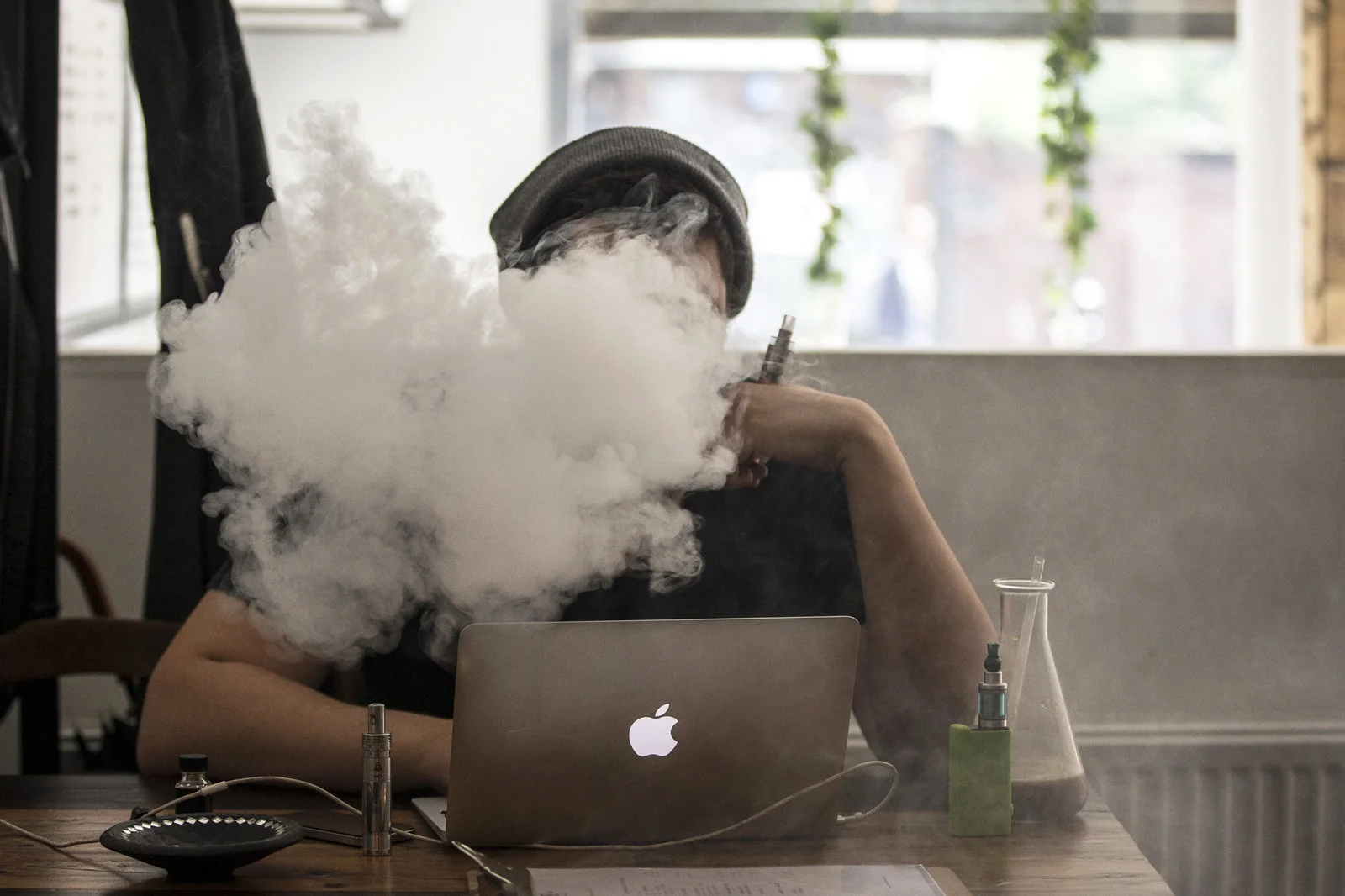
E-Cigarettes Can Churn Out High Levels Of Formaldehyde
Vapor produced by electronic cigarettes can contain a surprisingly high concentration of formaldehyde — a known carcinogen — researchers reported Wednesday.
The findings, described in a letter published in the New England Journal of Medicine, intensify concern about the safety of electronic cigarettes, which have become increasingly popular.
"I think this is just one more piece of evidence amid a number of pieces of evidence that e-cigarettes are not absolutely safe," says David Peyton, a chemistry professor at Portland State University who helped conduct the research.
The e-cigarette industry immediately dismissed the findings, saying the measurements were made under unrealistic conditions.
"They clearly did not talk to [people who use e-cigarettes] to understand this," says Gregory Conley of the American Vaping Association. "They think, 'Oh well. If we hit the button for so many seconds and that produces formaldehyde, then we have a new public health crisis to report.' " But that's not the right way to think about it, Conley suggests.
E-cigarettes work by heating a liquid that contains nicotine to create a vapor that users inhale. They're generally considered safer than regular cigarettes, because some research has suggested that the level of most toxicants in the vapor is much lower than the levels in smoke.
Some public health experts think vaping could prevent some people from starting to smoke traditional tobacco cigarettes and help some longtime smokers kick the habit.
But many health experts are also worried that so little is known about e-cigarettes, they may pose unknown risks. So Peyton and his colleagues decided to take a closer look at what's in that vapor.
"We simulated vaping by drawing the vapor — the aerosol — into a syringe, sort of simulating the lungs," Peyton says. That enabled the researchers to conduct a detailed chemical analysis of the vapor. They found something unexpected when the devices were dialed up to their highest settings.
"To our surprise, we found masked formaldehyde in the liquid droplet particles in the aerosol," Peyton says.
He calls it "masked" formaldehyde because it's in a slightly different form than regular formaldehyde — a form that could increase the likelihood it would get deposited in the lung. And the researchers didn't just find a little of the toxicant.
"We found this form of formaldehyde at significantly higher concentrations than even regular cigarettes [contain] — between five[fold] and fifteenfold higher concentration of formaldehyde than in cigarettes," Peyton says.
And formaldehyde is a known carcinogen.
"Long-term exposure is recognized as contributing to lung cancer," says Peyton. "And so we would like to minimize contact (to the extent one can) especially to delicate tissues like the lungs."
Conley says the researchers found formaldehyde only when the e-cigarettes were cranked up to their highest voltage levels.
"If you hold the button on an e-cigarette for 100 seconds, you could potentially produce 100 times more formaldehyde than you would ever get from a cigarette," Conley says. "But no human vaper would ever vape at that condition, because within one second their lungs would be incredibly uncomfortable."
That's because the vapor would be so hot. Conley compares it to overcooking a steak.
"I can take a steak and I can cook it on the grill for the next 18 hours, and that steak will be absolutely chock-full of carcinogens," he says. "But the steak will also be charcoal, so no one will eat it."
Peyton acknowledges that he found no formaldehyde when the e-cigarettes were set at low levels. But he says he thinks plenty of people use the high settings.
"As I walk around town and look at people using these electronic cigarette devices it's not difficult to tell what sort of setting they're using," Peyton says. "You can see how much of the aerosol they're blowing out. It's not small amounts."
"It's pretty clear to me," he says, "that at least some of the users are using the high levels."
So Peyton hopes the government will tightly regulate the electronic devices. The Food and Drug Administration is in the process of deciding just how strict it should be.
Fridays at The Lodge At Red Rocks Are Becoming The Next Big 'Thing'

Life in America's Sickest Town
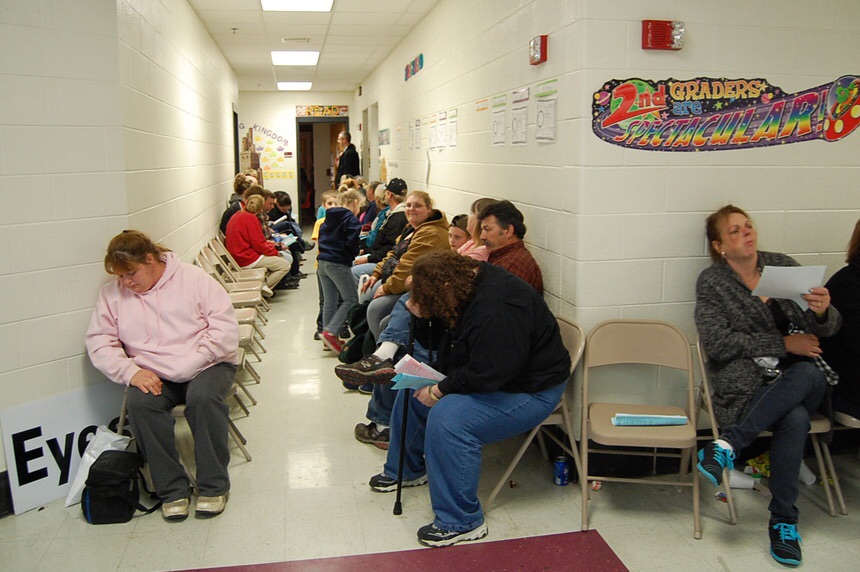
Donald Rose has no teeth, but that’s not his biggest problem. A camouflage hat droops over his ancient, wire-framed glasses. He’s only 43, but he looks much older.
I met him one day in October as he sat on a tan metal folding chair in the hallway of Riverview School, one of the few schools—few buildings, really—in the coal-mining town of Grundy, Virginia. That day it was the site of a free clinic, the Remote Area Medical. Rose was there to get new glasses—he’s on Medicare, which doesn’t cover most vision services.
Remote Area Medical was founded in 1985 by Stan Brock, a 79-year-old Brit who wears a tan Air-Force-style uniform and formerly hosted a nature TV show called Wild Kingdom. Even after he spent time in the wilds of Guyana, Brock came to the conclusion that poor Americans needed access to medical care about as badly as the Guyanese did. Now Remote Area Medical holds 20 or so packed clinics all over the country each year, providing free checkups and services to low-income families who pour in from around the region.
When I pulled into the school parking lot, someone was sleeping in the small yellow car in the next space, fast-food wrappers spread out on the dashboard. Inside, the clinic’s patrons looked more or less able-bodied. Most of the women were overweight, and the majority of the people I talked to were missing some of their teeth. But they were walking and talking, or shuffling patiently along the beige halls as they waited for their names to be called. There weren’t a lot of crutches and wheelchairs.
Yet many of the people in the surrounding county, Buchanan, derive their income from Social Security Disability Insurance, the government program for people who are deemed unfit for work because of permanent physical or mental wounds. Along with neighboring counties, Buchanan has one of the highest percentages of adult disability recipients in the nation, according to a 2014 analysis by the Urban Institute’s Stephan Lindner. Nearly 20 percent of the area's adult residents received government SSDI benefits in 2011, the most recent year Lindner was able to analyze.
According to Lindner’s calculations, five of the 10 counties that have the most people on disability are in Virginia—and so are four of the lowest, making the state an emblem of how wealth and work determine health and well-being. Six hours to the north, in Arlington, Fairfax, and Loudoun Counties, just one out of every hundred adults draws SSDI benefits. But Buchanan county is home to a shadow economy of maimed workers, eking out a living the only way they can—by joining the nation’s increasingly sizable disability rolls. “On certain days of the month you stay away from the post office,” says Priscilla Harris, a professor who teaches at the Appalachian School of Law in Grundy, “because that's when the disability checks are coming in.”
Just about everyone I spoke with at the Grundy clinic was a former manual worker, or married to one, and most had a story of a bone-crushing accident that had left them (or their spouse) out of work forever. For Rose, who came from the nearby town of Council, that day came in 1996, when he was pinned between two pillars in his job at a sawmill. He suffered through work until 2001, he told me, when he finally started collecting “his check,” as it’s often called. He had to go to a doctor to prove that he was truly hurting—he has deteriorating discs, he says, and chronic back pain. He was turned down twice, he thinks because he was just 30 years old at the time. Now the government sends him a monthly check for $956.
Each classroom at Riverview School had a different specialist tucked inside—in one, an optometrist measured eyes with her chart projected on the classroom wall. She showed me a picture she took in a nearby town of a man who, unable to afford new glasses and rapidly losing eyesight, had taped a stray plastic lens over his existing glasses. The clinic had brought along two glasses-manufacturing RVs where technicians could make patients like Rose a fresh set of glasses, including frames, in just a few hours.
As for his teeth? Rose’s diabetes loosened them. “They went ahead and pulled them all,” he said. He assured me that being toothless was not as grave a life-change as the toothed might imagine it to be.
“I can still eat a steak, trust me,” he says. “I use my tongue and my gums.”
Grundy, which is located at the tip of Virginia that jabs into Kentucky, is sheltered by the steep, wooded Appalachians and cut through by the mighty Levisa Fork River. (The river is so mighty that the area has suffered nine major floods in the past century, and recently the entire town had to be relocated to higher ground.)
In October, the sun-dappled mountains blazed with red and orange as the leaves turned. If you wanted to send someone a postcard to convince them of the merits of Virginia, this would be it.
But if this place has the scenery of the Belgian Ardennes, it has the health statistics of Bangladesh. People here die about five years earlier than they should. About a third of people smoke, and a third are obese. A quarter of the people live in poverty, compared with about 11 percent in the rest of the state.
These Appalachians, many of them former coal miners, are among the nearly nine millionAmerican workers receiving disability payments today, compared with 1.4 million in 1970. Spending on the program has risen nine-fold over the past four decades. Clusters of recipients can be found from California to Maine, though as Lindner points out, the states with the highest numbers tend to be in the South and Southeast.
Critics say the program’s expansion is partly driven by Americans who are perfectly capable of working but are unwilling to do so. Since the mid-1980s, government spending on the elderly and disabled has ballooned, even as tightened eligibility rules have slashed welfare aid for needy mothers and children. Even advocates of “big-government”-style welfare acknowledge that some people use the program because it’s the only form of income available to them. At the clinic, people who were themselves on disability complained about others who they saw as lazy fakers who milked the system.
But visiting a place like Grundy reveals a more complicated picture. There are undoubtedly some who exaggerate their ailments in order to collect their checks. But many of the coal workers here have experienced horrific on-the-job accidents and can’t go back to the mines. Other residents have been battered by diabetes, obesity, and tobacco. Others still suffer from severe depression and intellectual disabilities that would preclude most kinds of work. And most importantly, there are no other options here: no orthodontist’s office where someone can work the front desk; no big firms brimming with entry-level secretarial jobs. It’s not even clear how a person would go about calling around for a job here: My iPhone stopped working a few miles outside the county line.
Few white-collar people understand the degree to which manual labor chews up workers’ bodies. And in Grundy, there’s nowhere for them to go afterward.
“Here you have a Pandora's box of every social issue that might contribute to disability,” said Martin Wegbreit, the director of litigation at the Central Virginia Legal Aid Society. Before coming to Richmond in 2004, Wegbreit worked in southwest Virginia for nearly 20 years.
“These are jobs that even if they don't injure people, they wear people down,” he told me. “It's hard on the back, it's hard on the knees, it's hard on the entire body.”
As I drove around Buchanan, trailer homes seemed to be the predominant form of housing. I passed a Dairy Queen, a Long John Silvers, a Pizza Hut, and not much else. Locals blame the town’s economic slump on the decline of coal, which they in turn blame on the Environmental Protection Agency’s regulations. Several yards were dotted with campaign signs urging passers-by to “Stop Obama/Vote Gillespie.” (Sixty percent of Buchanan county voted for Ed Gillespie, the Republican candidate for Senate, though he lost in the state overall.)
The place had its boom years. Coal first came in the 1930s, displacing poor farmers who tilled the tough mountain dirt. In the 1970s, United Coal expanded rapidly by snapping up cheap land all across Buchanan county. A 1978 New York Timesarticle describes a “never-ending rush hour” on Grundy’s lone highway as convoys of coal trucks with names like “The Lord Is My Leader” roared through town. The Island Creek Coal Company made plans for a development of 1,600 Swiss-chalet-style houses on a nearby hilltop.
The population of the county has shrunk by about 15,000 people since that year. In May alone, 188 workers were laid off in a mine near Grundy. The industry has been slammed by the newfound natural gas reserves and is expected to contract further by 2020. Still, coal remains the largest employer in Buchanan, and its heavy impact continues to be felt even by those who no longer work in the mines.
Though we sometimes associate the dangers of coal with big, splashy incidents like 2010’s Upper Big Branch Mine Disaster in West Virginia, in which a violent explosion killed 29 men, most coal-induced disabilities are banal, and some are hard to detect. Among the most dangerous types of coal environments is low coal—so called because the seams are just 36 inches high. Workers in these mines spent their days crawling through the vast, dark caverns. “For a miner who avoids being crippled, burned or buried alive,” wrote John C. Tucker of Buchanan county in May God Have Mercy, “the usual question is which will give out first—his lungs, his back, or his knees.”
All types of mines require incessant bending and lifting; a bag of rock dust can weigh up to 50 pounds. Many of the former miners I spoke with complained of back pain, a condition that’s both excruciating and difficult for doctors to diagnose. There’s also plenty of hearing loss, says John Gifford, a local disability attorney. “It's loud as hell down there.”
Other injuries are even more gruesome. “I’ve had men who had their hand trapped, fingers crushed, fingers amputated,” Gifford adds. “One man didn't duck in time, so a cable pulled him off the mining car and he suffered paralysis in both legs.” Harris, the law professor, says a former student of hers worked as a coal miner until he was trapped in a collapse and had to have his foot amputated.
In the school’s cafeteria, I met a middle-aged man named Robert who told me he began working in the mines when he was 8 years old to help his family. (He asked me to use only his first name.) In 1999, he and some co-workers were repairing a piece of machinery and a metal chunk the size of a small table swung off a hook and came crashing down onto him, taking the entire apparatus down with it.
"My forehead hit the ground, and the metal hit the back of my head,” he said. “I had a hard hat on. The first time it hit me, it knocked my hard hat off. The second time, it knocked my head into the ground and landed on top of me and bent me over."
After the initial recovery came the bad headaches and the prescription painkillers that he couldn't tolerate. An x-ray revealed a herniated disc. He tried to go back to work three times, he says, but after four or five days back on the job, he’d be puking from the pain. It took him five years to get his disability check. He now says he and his wife make about $2,000 a month from disability.
“We were within two, three days of losing our home,” his wife, Vicki, said. “If he hadn’t got it when he did, we would have.”
Vicki was also applying for disability after quitting her job as a nursing assistant. Years of lifting 300-pound men, she said, inflamed the arthritis and bone spurs in her spine. She doesn't have health insurance, which is why she comes to clinics like this. The couple had been there since 4 a.m.
Working in a mine has gotten safer over the years. But even if a coal worker manages to escape a freak accident, standing in clouds of coal dust can be treacherous for the lungs over time. In a back room of the elementary school, I met with Joe Smiddy, a retired pulmonologist who now volunteers for Remote Area Medical doing chest x-rays.
He showed me an image of a pair of lungs mottled with tiny white specks—each of them a piece of coal dust with a scar around it. This is coal workers' pneumoconiosis, or black lung disease. “This gentleman has a lung full of dust,” he said.
Coal workers are supposed to be offered masks to wear, Smiddy said, but “for a 12-hour shift in a coal mine, there's almost nobody who can wear a mask. They say, ‘It's heavy on my face, can't breathe with it on.’”
No matter how much gunk is clogging their airways, Smiddy said his patients often avoid complaining to their bosses or letting on that they’re sick. Unless, that is, they’re ready to go on disability.
“Coal mining is the only job available to them, and they're feeding their family,” he said. “They're going to not raise any sand.”
Compare all of this with Arlington County, 400 miles away in the northern part of the state, which has one of the nation’s lowest rates of disability. Only 1 percent of people in Arlington are on disability, and it’s regularly ranked one of the overall healthiest (and richest) counties in the nation. Here, there are well-paved bike routes and a Metro-accessible Whole Foods. People complain when they can’t take their tiny dogs into Starbucks.
Virginia, in other words, is a state divided not only by politics, professions, and mountains, but also by how run-down its citizens are. While Buchanan county’s fortunes have been inextricably tied to coal, those of Northern Virginia are hitched to the government. A large portion of its residents belong to the vast army of contractors, lobbyists, lawyers, PR people, and other auxiliary workers who orbit the federal government and rake in generous salaries for their efforts. As Dylan Matthews pointed out in the Washington Post, there’s been a $1.7 billion increase in lobbying spending between 1998 and 2010 alone, which correlates neatly with the rise in incomes of Washington-area residents.
What’s more, the eye-popping growth of contracting in the 90s that was intended to downsize the government resulted in private workers doing the same work for exponentially more money. Northern Virginia counties are now home to these wealthiest Washingtonians.
One day recently I visited an Arlington lululemon. Inside, a man gazed at a wall of “performance” tank tops selling for $58. He hailed a beanie-clad associate and said he needed help finding a gift for his girlfriend.
She does “something with a machine,” the boyfriend said.
“Pilates?” he associate offered.
“Yeah.”
“Do you know which size she is?”
“I’m going to guess,” the boyfriend said confidently.
“Sounds good. If you see a girl behind the counter who you think might be the same size as her,” the associate offered, “they have no problem with you asking.”
Unsurprisingly, Buchanan county has no similar high-end shops. In 2011, it got a Wal-Mart that employs 230 people. At minimum wage, an entry-level job there pays as much as disability would, but even retail jobs require standing for long hours. I searched Monster.com for jobs nearby, and most of the 78 listings were in retail or home healthcare. Only two of the positions were actually in Grundy.
“We have no factories, we have nothing here,” said Celeste Barrett, a social worker in Grundy. “Coal mining is all we have.” Barrett was one of two women from the local department of social services sitting in front of tables bearing heaps of donated clothes. The goods were destined for the families of out-of-work miners, they said.
“If you make any money in Buchanan county, you're a coal miner,” said the other woman, Amanda Coleman. “These coal miners who were making $80,000 to $90,000 and they go down on disability, where a household of one gets $1,200 [per month].”
“It's just such a hard job,” Barrett added. “By the time they get a certain age, most of them are humped over.”
An outmigration of the young and talented has left behind an aging population that is ill-equipped to deal with a changing economy. Thirty-two percent of Buchanan's residents never graduated from high school, compared with 15 percent nationwide.
What's more, the same landscape that makes the area so gorgeous can also, perversely, make it harder to stay healthy. There are only a few paved roads into the county, and there was no grocery store until recently. There’s no public transportation and few sidewalks.
The health problems cascade from there. The economy is built on physically grueling jobs. An injury causes pain, which causes depression. Depression makes it harder to work. People gain weight. The weight gain leads to sleep apnea and sometimes to diabetes. Diabetes can exacerbate vision problems.
To top it all off, there are few doctors in the region, and Virginia rejected the Obamacare Medicaid expansion, which would have insured an additional 170,000 people. Because getting to a doctor is hard and expensive, people self-medicate with prescription painkillers, alcohol, and tobacco. Eventually, said Smiddy, the pulmonologist, “they become dysfunctional. They're weaving behind the car. They're setting the stove on fire. It's not that they're bad people. They’re probably faith-based people, family people. Most are just trying to function.”
Those who argue that the disability system has become choked with exaggerated claims are not entirely wrong. In 2011, the Wall Street Journal reported on David Daugherty, a West Virginia judge who had seemingly rubber-stamped approval for all but four of the 1,284 disability appeals that came before him. He appeared to be colluding with a lawyer named Eric Conn, who had advertised his services on billboards as “Mr. Socialsecurity” and sometimes brought “an inflatable replica of himself to events.” It’s faster for disability judges to approve a disability claim than to reject one, so it’s easy to see how less-than-deserving cases would sneak through.
Because of rising income inequality, poor people can now earn almost as much on disability as they can at minimum-wage jobs—as long as they can prove they’re sick enough. In a 2006 analysis, the economists David Autor and Mark Duggan foundthat the main reason disability rolls have swollen is that the program’s rules were liberalized in 1984. The Social Security administration was directed to weigh applicants’ pain and discomfort more heavily and to relax its mental illness screening. (The government has four different sets of standards: one for people under the age of 50, another for those between 50 and 54, another for 55-59-year-olds, and a final one for those 60 and older.)
To sign up, applicants first state their disabilities and the names of their doctors. Each application is reviewed by state officials and sometimes by an independent doctor. Two-thirds of applicants are rejected after this step because they lack medical documentation that their ailments will keep them out of work for at least a year. From there, an applicant can appeal, and a different official will review his or her paperwork. After that, another 11 percent of applications are approved.
The rejected cases are seen by administrative judges in courtrooms across the country. According to a recent Washington Postinvestigation, the entire process can take years. If they make it through, beneficiaries will receive $13,740 annually, on average.
The problem is, even if society were to decide that there should be fewer people on disability, that the system has become too bloated with sneaky pretenders, it isn’t clear what a fifth of the population of Grundy would do to survive. It’s entirely possible that some of the town’s residents are faking their disability claims, but it’s hard to imagine that most of them are. People who are rolling in undeserved government dough generally don’t line up at the crack of dawn to get their teeth fixed in an elementary school cafeteria.
Residents of Grundy sometimes run into problems during their legal proceedings, which take place via video chat from a courthouse over the mountains in Bluefield. The judge, who is listening to the arguments remotely, must consider age, education, and whether the applicant’s skills can be transferred to another line of work. “If you are physically or mentally able to do a job, you don't meet the test for disability,” Wegbreit says. “It doesn't matter if that job does or doesn't exist in your region of the country. And that job doesn't exist in Buchanan county.”
Enough applications get through that disability benefits provide an economic safety net to Buchanan county residents. But the high number of recipients also depresses the area further by keeping new businesses away. Companies aren’t eager to hire sick, worn-out miners.
“This area is a nightmare of disability,” Smiddy says. Any company starting a business here knows that a substantial percentage of workers “are going to have dust on their lungs, they're going to be obese, they've already smoked a pack a day.”
Once people get on disability, they usually don’t go back to gainful employment. Though they’re not counted in unemployment statistics, functionally, they become like the long-term unemployed—falling into an economic hole from which it’s notoriously hard to claw out.
Employed people might think of being out of work as being relaxing, but jobs provide identity and purpose. “Whatever the job, it can give a sense of belonging, of being a contributor; an important part, however menial, of an organization with a bigger purpose, a valued part of society,” wrote Tom Fryers, a visiting professor of public health at the University of Leicester in the U.K., in a recent paper. “Work can provide a structure for the day, week, and year without which life just drifts by.”
Idleness, meanwhile, further depletes bodies and minds.The rate of depression is 19 percent among people who have been unemployed for a year, compared to just 10 to 11 percent for people who went without jobs for just a few weeks. Even though they don’t face the same financial strains as the long-term unemployed, people on disability still suffer the negative health effects of being jobless. Researchers have also found high rates of depression among recipients of welfare, for example.
“Once you're on the couch, your muscles become weak, you're going to gain weight, you're not physically capable of going back in the coal mine,” Smiddy said. A lack of work has been shown to increase the risk of premature death significantly, particularly for men.
The problem, as Smiddy sees it, isn’t just that the economy is limited, or that the region’s education and medical systems could use an overhaul. The county’s health has been so poor for so long, he says, that locals have set their expectations too low. And once everyone—the people, their employers, their doctors, the government—accepts that bleak vision, it hardens into reality. It makes it so there’s no life after coal.
“It’s ‘Just pull my teeth’, or ‘Grandpa died when he was 50’ or ‘Momma's already on oxygen,’” Smiddy tells me, his voice growing increasingly exasperated as he clicks through x-rays in his makeshift office. “There’s a negative fatalistic attitude. We have to have an expectation of health, and seek health.”

Listen Up: KOKAYI - The Lick [VIDEO]
Get To Know: KING BRITT - Coming To The Lodge At RedRocks This Saturday 1/24
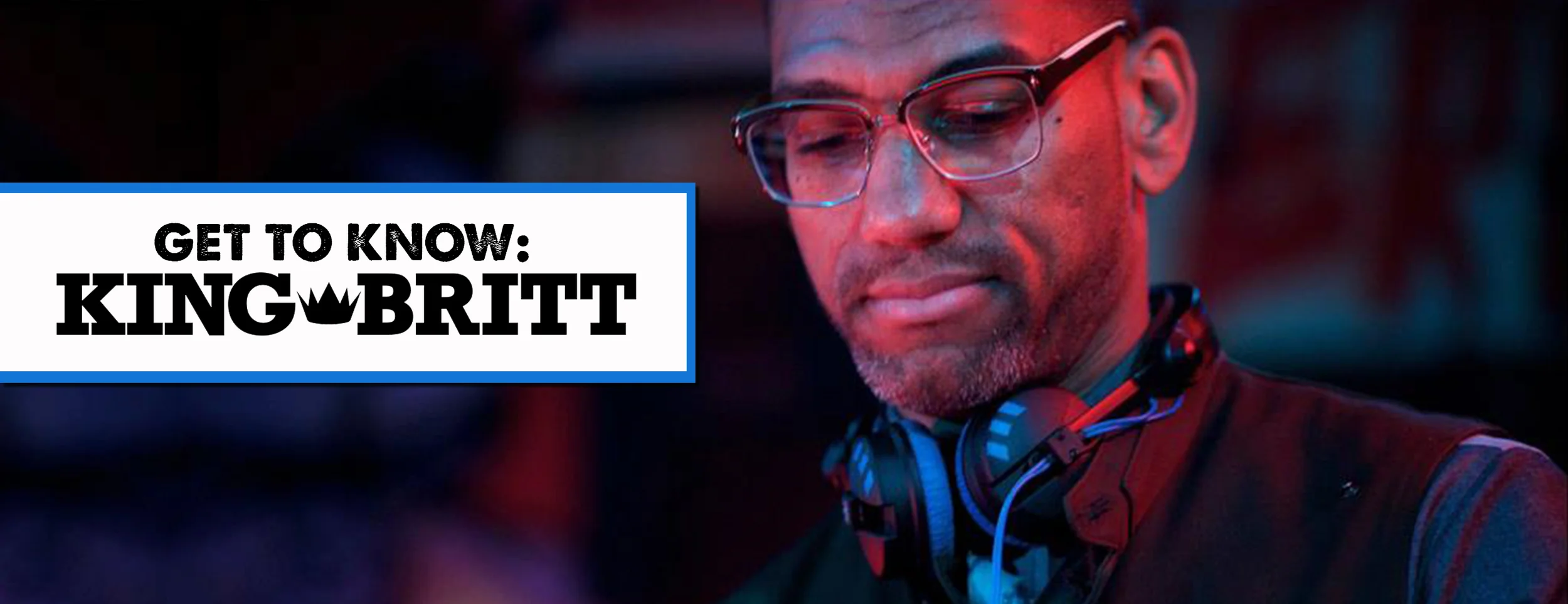
The last time Philadelphia soul spinner extraordinaire King Britt played in Washington, DC he was on the steps of the Jefferson Memorial during the 2014 Forward Festival. Ideally, Britt's style will work at H Street's, The Lodge at Red Rocks because if headed out with a group of people who love dance, hip-hop, classic R & B and top-40 taken to a progressive place, he'll keep everyone intrigued, excited and dancing all night.
Opening for Britt is DC's Adrian Loving, who as a DJ has most recently gained tremendous acclaim for being a part of the East coast's beloved 80s funk/soul explosion known as Axel F. If the idea of hearing disco boogie, champagne soul and jheri curl activated R & B sounds like a fun night on the town, the cosmopolitan man about town Loving is more than up to the task.
Here's three more reasons to check out King Britt at The Lodge at Red Rocks.
a) Remember jazz-rap favorites Digable Planets whose "Rebirth of Slick" was an unlikely pop/rap hit in 1992? When the rap trio toured with Sade, King Britt was chosen to serve as their DJ for the three month touring stint.
b) In 2007, Britt was a fellow in the prestigious and Philadelphia-based Pew Fellowship in the Arts program, which supports an artist's ability to explore and create unique material that will ultimately aid in their long-term development.
c) To get a true sense of Britt's diverse tastes, consider the idea that he's worked with the likes of rappers De La Soul, legendary saxophonist Grover Washington, Jr. and also fellow Philly-based house producer (of 1993's "Higher States of Consciousness" fame) Josh Wink.
If looking for a night on the town where the vibe will be funky, but veer into all grooves both known and unknown (yet magically still keep you dancing), a night with King Britt will more than satisfy a desire for the familiar with a side order of something much more. More event details HERE.

Steve Jobs' widow Laurene Powell moves on as she vacations on luxury yacht with former DC Mayor Adrian Fenty
Adrian Fenty is one of our country's great advocates for education reform,' she said in a statement at the time. 'His sense of urgency and record of accomplishment is unparalleled.'
The pair were first friends, sources told the Washington Post, before they started dating at the start of 2013. In June 2014, the couple was pictured at a French open match together.
Powell had married Jobs two years after meeting him when he gave a talk to Stanford Business School while she was a student there.
Their wedding took place in March 1991 at a hotel in Yosemite Valley, and the ceremony was led by a Zen Buddhist monk, Kobun Chino Otogawa, in keeping with Jobs' religious beliefs.
Their eldest child, a son named Reed, was born six months later, and the couple had two daughters, Erin and Eve, in the years following.
While she was on the boards of several companies and charities during his lifetime, it was only after he died that she began to speak publicly to draw attention to the causes that mattered to her.
They were married for 20 years and after his death, she inherited an estate of about $10 billion.
Despite being one of the richest women in the U.S. she has kept a deliberately low profile as she continues with her charitable work.Since Fenty left the mayor's office, he has focused on acting as a consultant to education tech companies and working as a special adviser at Andreessen Horowitz.

Red Velvet Oreos are a thing
This is not a drill, people. And it’s not a way-too-early-to-be-funny April Fool’s joke, either.
Introducing new Red Velvet Oreos filled with cream cheese-flavored centers.
The limited-edition flavor will arrive in stores on Feb. 2—just in time to be a part of the Valentine’s Day flood of red and pink foods—and sell for $4.49 for 6-8 weeks, or until packages run out.
We know that red velvet is heavenly in cakes, whoopie pies and even hot chocolate. But an Oreo? To find out, we let our staff of eager taste-testers sample and rate the new cookies:
The Design: It’s a standard Oreo set-up: Two cookie wafers with a sweet, white cream in the middle. The cookie bookends are chocolate flavored—like a traditional red velvet cake base—and dyed red (ingredient “red 40 lake” makes a not-so-surprising appearance on the back of the package). The filling is a “cream cheese flavored crème.”
The Scent: Opening the package for the first time, we smelled that unmistakable scent: cake. Specifically, it reminds us of those super-sugary, frosted confections that “you buy at the grocery store and serve at birthday parties at a bowling alley,” said one tester.
The Taste: When we pulled apart the cookie layers (like any good Oreo eater should do) and tasted the cookie wafers on their own, we found that they tasted just like regular chocolate Oreos, because, you know, they basically are—just with some red dye mixed in. The cream cheese center, however, is not-so-delicious on its own. It “very closely resembles the flavor of concentrated canned frosting,” said one staffer. Said another tester: “It’s not tangy, it doesn’t taste like cream cheese,” (probably because the ingredients don’t actually include any dairy) and it “leaves a very sweet, cloying taste in your mouth” when sampled solo.
When we put the sandwich back together, though, the crunchy chocolate cookies “balance out that sugary filling” said a staffer. It’s still a super-sweet bite—even more so than regular OREOs—but, “when the flavors combine, it’s yummy,” and certainly qualifies as a tasty guilty-pleasure treat.
The Verdict: It does not taste like real red velvet cake—did we really think it was going to?—but the flavors do work together. A 20-cookie package is worth the $5, if just so you can taste the novelty. Any Oreo fan will love dipping this new red treat into milk—but, said one tester, “If you’re an Oreo hater, these definitely won’t become your new favorite dessert.”
Two Shot on Metrobus in D.C. After Fight, Injuries Are Minor
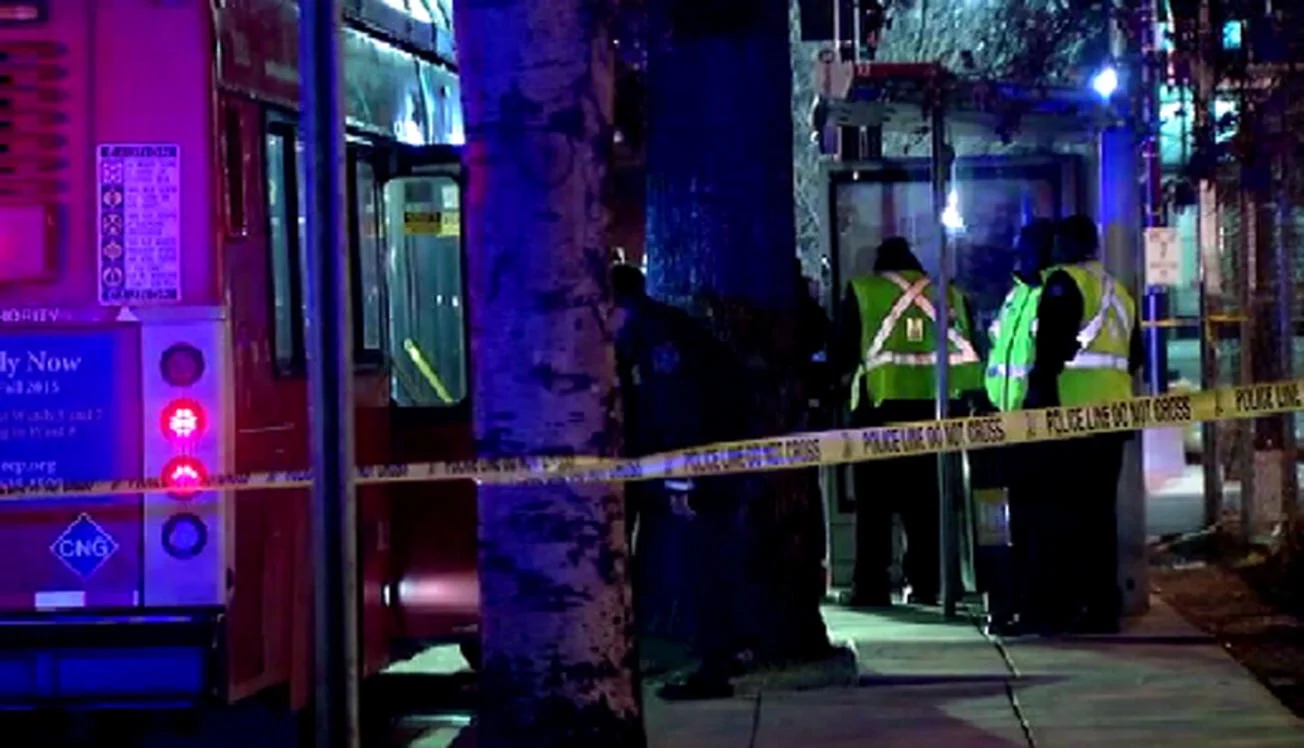
Metro officials say the suspect responsible for shooting two people on a bus Monday night may have shed his clothes while fleeing from the scene.
The shooting was reported aboard an X-2 bus New Jersey Avenue and H Street NW around 10:30 p.m.
According to Dan Stessel with WMATA, three men boarded the bus at Gallery Place, and rode about seven blocks before getting into a verbal altercation.
One of the three pulled out a gun and shot the other two men, hitting one in the hand and the other in the thigh. Both have been hospitalized, but are expected to be OK.
There were about 40 or 45 people on the bus at the time of the shooting, Stessel said.
Stessel said it appears as though the suspect shed his hat and jacket while fleeing the scene, so the lookout remains for a black man with a slim build, 5 feet 10 inches tall.

Where the Sugar Babies Are
In recent years the rising cost of student debt has given birth to an odd phenomenon: a population of ostensibly generous older men who appear poised to solve the higher-education crisis, one student at a time. Once a relatively underground subculture, this benevolent group of men is coming to the rescue across the country, essentially volunteering to subsidize the students’ tuition costs. But that description could be, shall I say, sugarcoating it.
Yes, these men are ponying up their money—plus more—for financially struggling students. However, it’s not free money, and it’s not all students. In other words, these benefactors typically expect some compensation from their beneficiaries—students who generally tend to be women willing to accept the help from the men in exchange for providing some tender loving care. And, at least, flaunting their good looks.
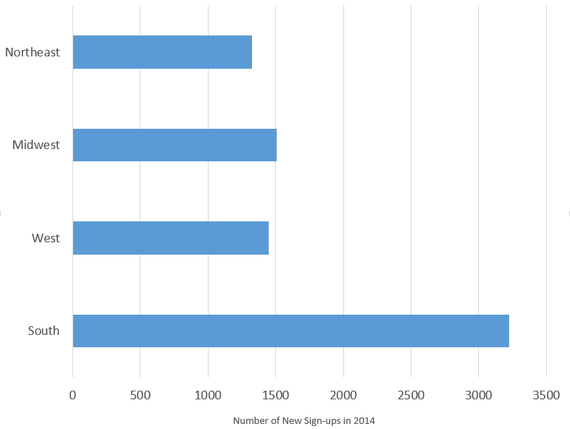
"Sugar daddies"—the official moniker granted to these wealthy men—and the microcosm they occupy aren’t anything new, but they’ve become more mainstream in recent years. That they’ve emerged as a noteworthy group during America's student-debt crisis is indicative of their growing prevalence—as well as that of "sugar babies," the ones entrenched in that crisis. And the subculture—"daddies" and "babies" alike—appears to be expanding rapidly. 2014 saw a huge spike in sugar babies nationwide, especially in the southern states, according to new data from SeekingArrangement, a site where "babies" and "daddies" sign up and connect. The trend itself, let alone writing about it, might seem frivolous or demeaning. But the data could clarify what's going wrong with the system and where those problems lie.
The latest figures on student-loan debt—now an average of $28,400 per person—are frightening. This number has steadily risen over the past few years, and, worse yet, it’s likely much higher than estimated considering only 57 percent of public and private nonprofit colleges volunteered to report their statistics this past year. Moreover, these debt figures exclude for-profit colleges, which are notorious for their especially high student debt-default rates.
What might have been little more than a nuisance in the past has turned into an outright hindrance to many students’ financial security: It takes about 14 years on average to pay off the debt. As a result, young women across the country are turning to sugar daddies in droves. Many of them use SeekingArrangement, which describes itself as "the world’s largest Sugar Daddy dating site." More than 1.4 million students have signed up as members, including nearly 1 million in the U.S., according to the company. The website claims that 42 percent of its members are students, many of whom are incentivized by SeekingArrangement to join; people who sign up with a .edu email address or show proof of enrollment, for example, receive "premium memberships" for free.
The whole thing may seem shady, but in its defense SeekingArrangement has strict rules prohibiting the exchange of money on its site. It also apparently has an in-house team that does background checks on members. Understandably, the company is mired in controversy. One New York Post contributor even accused the sugar-baby industry of trying to justify prostitution, one of the many claims to which SeekingArrangement eventually responded with a disclaimer. Last year, the company set up a FAQ-esque page, "a refresher course in the definitions of Sugar" that aimed to delineate the so-called differences between sugar baby-ing and prostitution.
But for many, that’s all old news. Now, the latest data reveals not only that the phenomenon is spreading, but also that it’s gaining traction in certain areas much more than in others.
The University of Texas at Austin, in particular, saw a massive growth in sign-ups between 2013 and 2014. With a 227 percent increase the growth far outpaced all other schools in the country when it came to the sugar phenomenon, according to SeekingArrangement. In fact, according to the company, last year was the first time several Texas schools even appeared on the list. (Four schools in the Lone Star State made the most recent top-50 list). So while sheer sugar-baby numbers are important, growth rates are telling, too. Here are the top-five schools in terms of growth in sign-ups between 2013 and 2014:
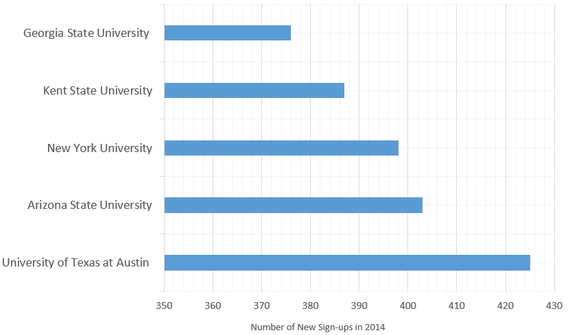
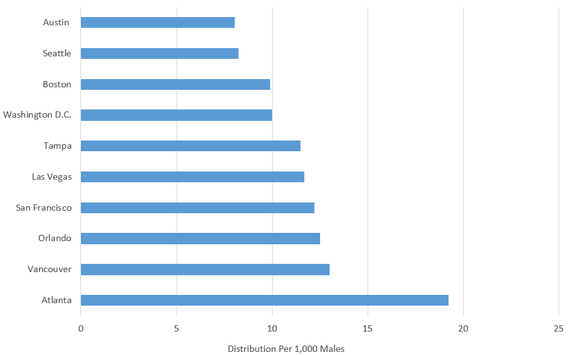
Angela Bermudo, a spokeswoman for SeekingArrangement, speculated that Austin’s ranking as the 10th "sugar-daddy capital in North America," has made it especially convenient for students in the area to sign up. Austin currently has an 8.03 on an index titled "Top 30 Sugar Daddy Cities"—yes, that actually is a thing—which shows the number of sugar daddies per 1,000 males
Bermudo also reasoned that the growth rate could be symptomatic of a grapevine effect in that more and more people on the UT campus are talking about it, leading to skyrocketing participation numbers. SeekingArrangement’s popularity, according to Bermudo, is concentrated in certain pockets—specific campuses or areas. "Growth mostly happens through word-of-mouth, particularly between peers," she said. "What happens is that students hear about this opportunity [and] are convinced to join by a friend who has tried it."
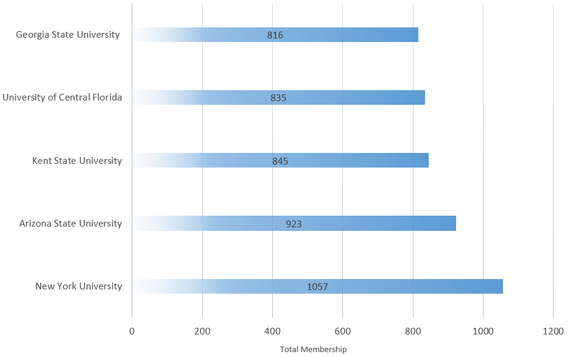
Surprisingly—or not, depending on whom you speak to—a large majority of the schools with the most new sugar babies in 2014 (43 out of the top 50) are public institutions, which typically charge much less for tuition than private schools. They also tend to cater to larger share of low-income students, a group more likely to require financial "assistance." Still, in terms of sheer numbers, it was a private school—New York University, which this year charges $46,170 a student for tuition and fees—that this year became the first college ever to cross the "1000 sugar babies" threshold. After all, the cost of living in New York City is arguably higher than it is in any other U.S. city—an even-harder reality for a financially strapped college student. Arizona State University followed right behind NYU, with 923 sugar babies.
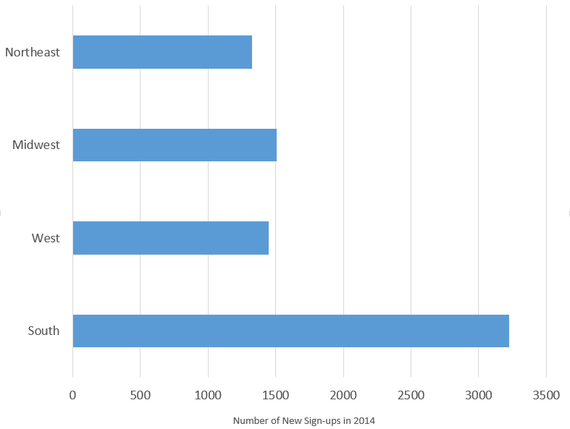
The regional data is noteworthy, too. The South had a huge boon in sugar babies last year: Nearly half, or 21, of the 50 colleges on the list are located in region, with an average of 153 new sign-ups per school. That statistic might come as a bit of a surprise considering the areas with the highest debt rates are concentrated in the Northeast and Midwest.
Statistics aside, the fact that this path has become increasingly popular among so many young women is a damning indictment of the country's higher-education system. This is something that SeekingArrangement is acutely aware of. In fact, its marketing has expanded in the past few years—the release of this data a testament to that—to specifically attract more students. But as morally suspect as seeking a "baby" arrangement may seem, for many college students this "outside help" is increasingly the only way out of a lifetime shackled to debt.
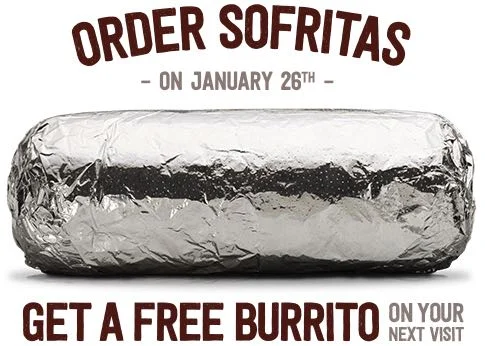
Chipote deal promoting Tofu Sofritas
Order our organic tofu Sofritas on Monday, January 26th at any Chipotle in the US or Canada, then bring your receipt back on your next visit—from January 27th through February 28th, 2015—for a FREE burrito, bowl, salad or order of tacos of your choice.
Death at stadium setting up for Super Bowl
GLENDALE, Ariz. -- A worker died while on the job with a Super Bowl setup crew at the University of Phoenix Stadium.
It happened on Wednesday afternoon.
The 31-year-old man fell 35 feet from a tower outside of the stadium. He worked as a rigger -- a person who specializes in moving large, heavy objects high above ground.
Officers from the Glendale Police Department and paramedics from the Glendale Fire Department responded to the incident, according to Sgt. David Vidaure with the Glendale Police Dept.
He was rushed to a hospital where he was pronounced dead.
There might have been some type of medical condition that led to that fall.
Hundreds of people showed up to work at the stadium on Thursday morning but they were sent home.
Sgt. Vidaure said the Industrial Commission of Arizona will conduct the formal investigation.



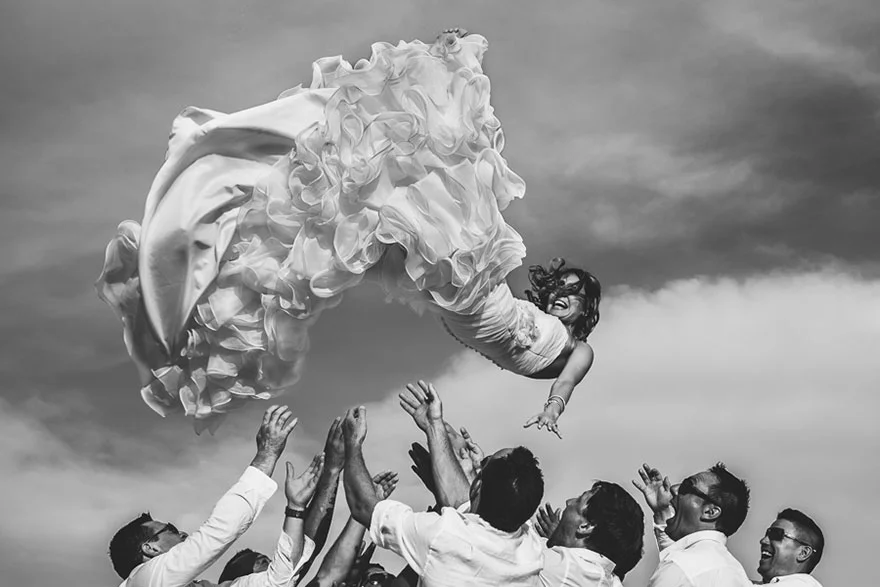




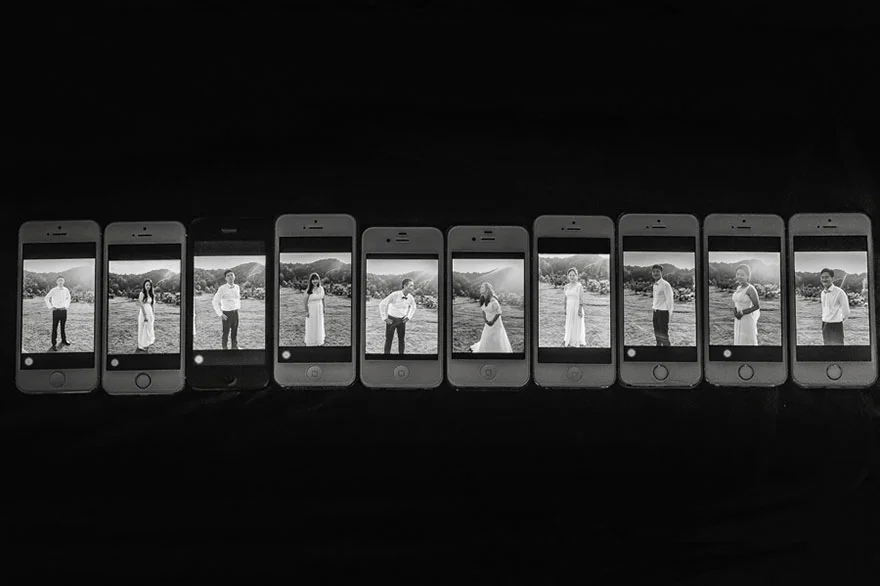


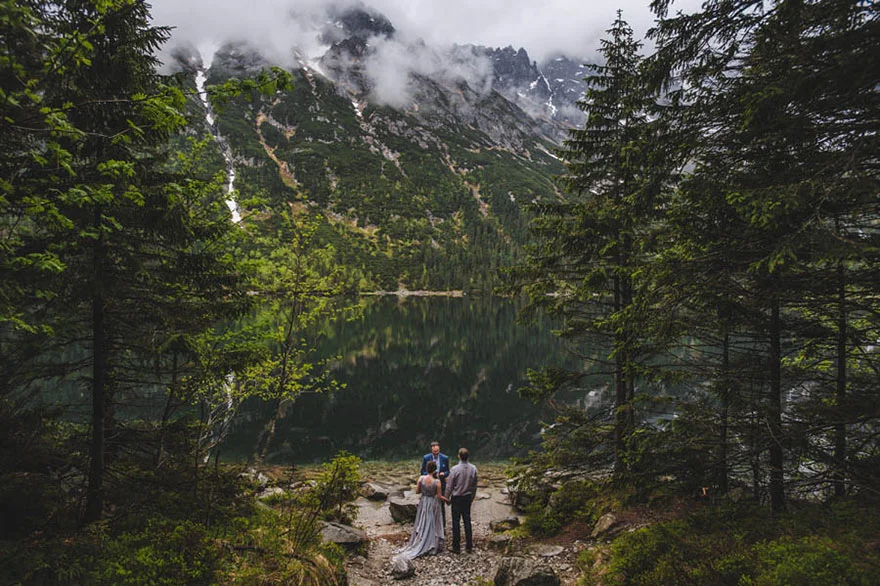
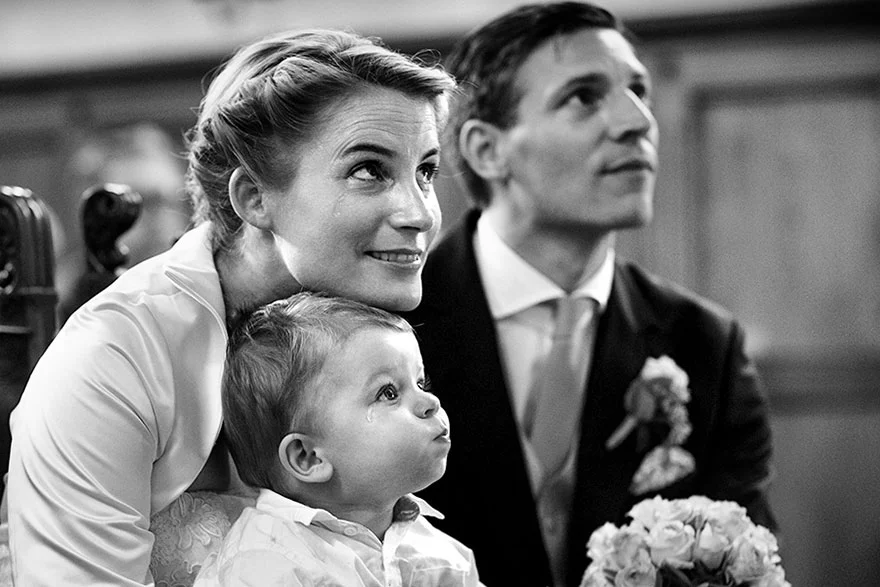






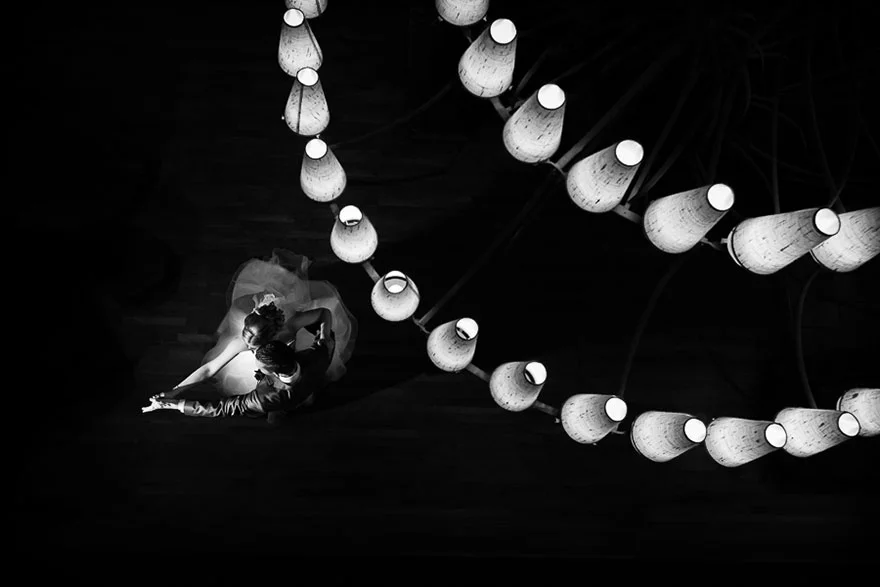

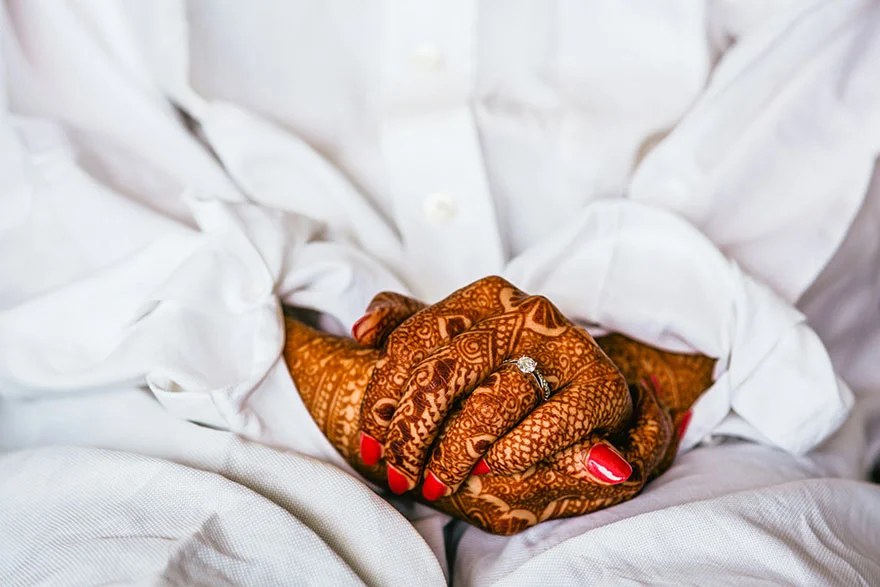
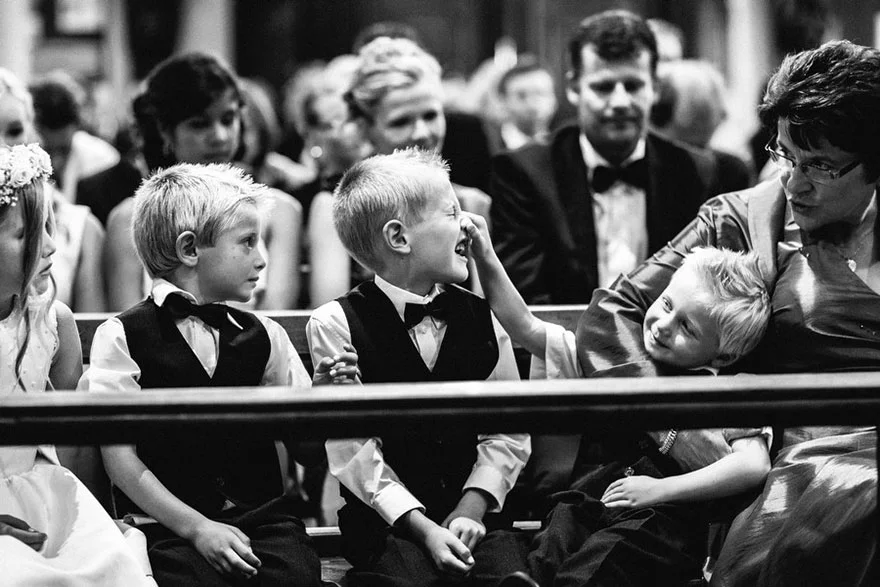



2014 Award Winning Wedding Photos
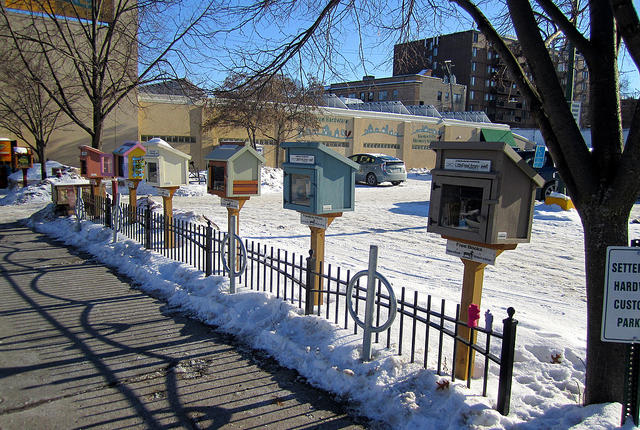
15 Gorgeous Little Free Libraries
The Little Free Library movement began in Wisconsin in 2009, and gained momentum quickly. Little free libraries sprung up all over the world—outside cafes, in parks, beside full-sized libraries and bookstores, and even in people’s front yards. They have books inside for anyone to borrow, with signs inviting users to donate books. By January 2015, the number of mini libraries registered with the Little Free Library organization had grown to 22,000.
We’ve gathered some of the best photos of Little Free Libraries we could find, everything from the classic house-like structures for sale on the organization’s website to a series of little libraries in New York City sponsored by the PEN World Voices Festival and The Architectural League of New York.
1. I’ll be your mirror
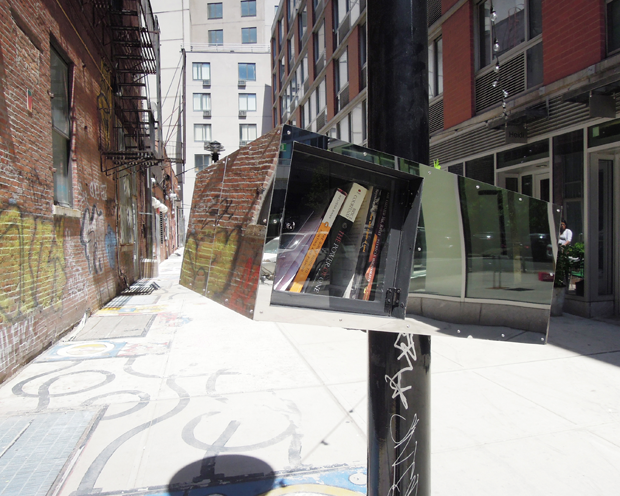
This little library at Fourth Arts Block is clad in mirrors that reflect the street art on a nearby brick wall.
2. Repurposed newspaper box

The slow decline of traditional news media does not, fortunately, mean the end of reading.
3. Inspired by Andrew Carnegie

The Little Free Library project has drawn much of its inspiration from Andrew Carnegie, the great funder of American libraries. This library was placed outside New York City’s University Settlement by Mark Rakatansky Studio with Aaron White.
4. British phone booth style
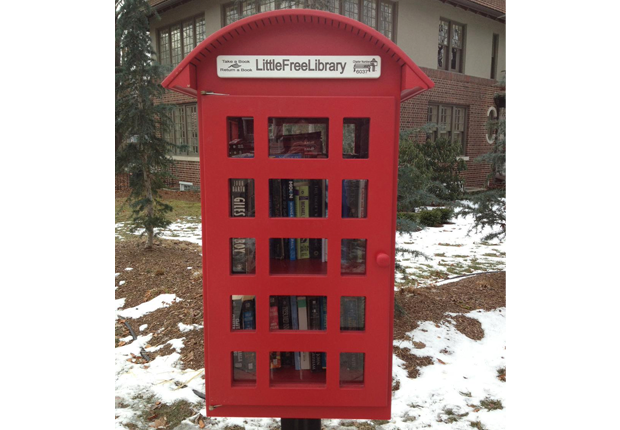
American phone booths were never this pretty.
5. Nook and cranny
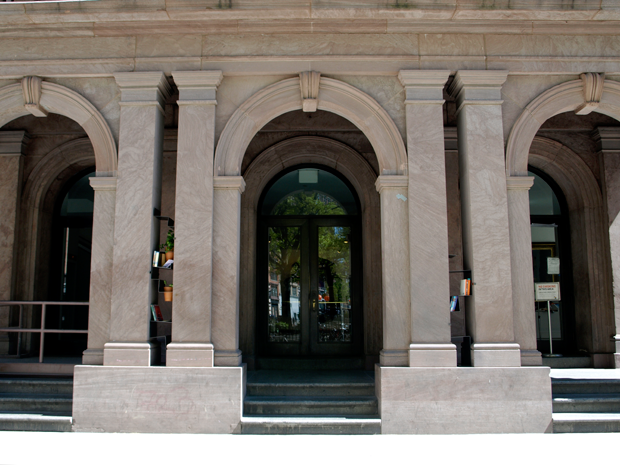
This inventive library is set between two pillars outside Cooper Union in New York City. It was designed by the Irwin S. Chanin School of Architecture’s Design III Studio with Maja Hjertsén Knutson and Christopher Taleff, designer leaders and Michael Young, David Allin and Lydia Kallipoliti, faculty team.
6. The A-Frame

This little library in Ohio is adorably triangular.
7. Particleboard that looks like paper

This Little Free Library doubles as a bench. It’s located at the Two Bridges Neighborhood Council in New York City, and was designed with Chat Travieso.
8. Reduce, Reuse, Recycle
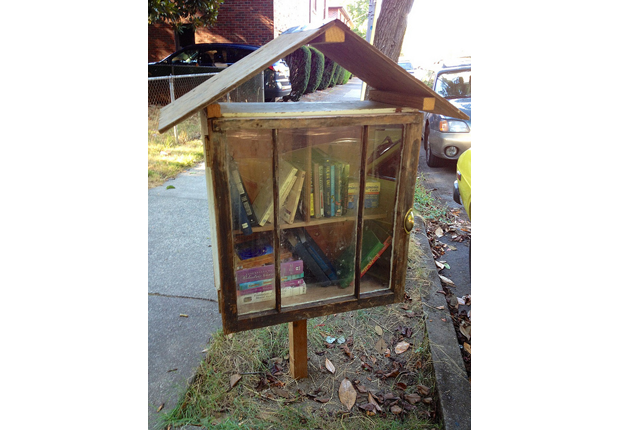
The Little Free Library organization encourages people to build libraries out of reclaimed materials, like this repurposed window.
9. Sunshine on a cloudy day

Many LFLs have been designed to look like the Tardis from Dr. Who.
11. The Wall-E of Little Free Libraries

Many LFLs have been designed to look like the Tardis from Dr. Who.
11. The Wall-E of Little Free Libraries
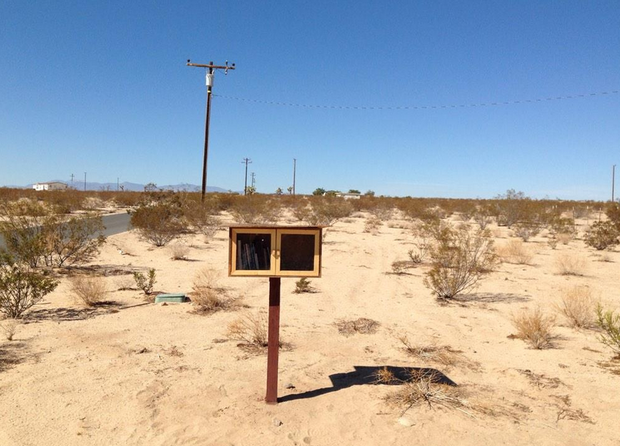
This LFL in Joshua Tree looks like a pair of robot eyes.
12. The book in the bubble

Some Little Free Libraries are small enough that they only hold one book, like this one at New York University that’s attracting the attention of a passing child.
13. The bird house

This library in Moscow looks like it could hold bird seed as well as books.
14. The transparent library
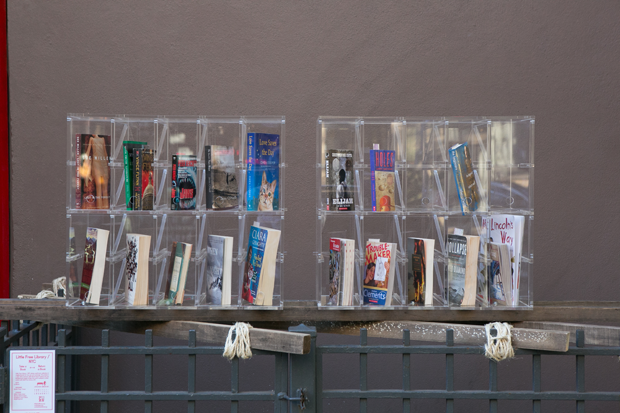
This installation at La MaMa in New York City, designed with Davies Tang + Toews, has a clear compartment for each book.
15. Park it here


Watch Google Translate decipher foreign signs in real time
Google’s Translate app is trying even harder to turn you into a polyglot—or at least the closest thing to it. The latest update to its mobile app is basically like having a translator following you around wherever you go, whispering answers in your ear, and rewriting foreign words in front of your face.
In the app’s update, Google integrated Word Lens, a company it acquired last year, whose technology visually translates signs or text when you point your phone in camera mode at it. You’ll never sit baffled by a menu in Moscow or Lisbon again.
Unfortunately, it only works from English to and from French, German, Italian, Portuguese, Russian and Spanish, but Google says it’s working on implementing more languages. But here’s some better news: The app doesn’t need a Wi-Fi or data connection to work, so you don’t have to worry about outrageous data charges when you’re using it outside your home country.
The updated app also improves its voice features. Say a word or phrase into your phone, and the app will quickly say it back to you in your desired language. It’s not always totally accurate, but it’s certainly useful for most basic phrases.
The product may seem revolutionary, but Google is far from the only company offering it. In December, Skype (owned by Microsoft) previewed its instant interpreting technology—though at the moment it only works in English and Spanish.

China has just banned the burqa in its biggest Muslim city
Chinese authorities have banned women in Urumqi, the capital city of Xinjiang—an autonomous western region where Muslims account for almost half of the population—from wearing burqas in public, according to a brief article on a government-run website, Tianshan News. Local legislators for Urumqi proposed the ban in December, and now the regional legislature has approved it.
It’s not clear when the ban on 蒙面罩袍, literally “face-masking robes” will go into effect. State media said only that it will be implemented after being modified to meet comments proposed in a meeting over the weekend.
What is clear, though, is that moves like these are likely to further alienate an already disenchanted minority group—the Uighurs, who feel their culture and economy is being overrun by Han Chinese. Ever since a group of Uighur Muslims went on a killing spree in a train station in Kunming last March, Chinese officials have ratcheted up restrictions on a group they see as potential extremists. Xinjiang officials later banned students and civil servants from fasting for Ramadan, and authorities in the Xinjiang city of Karamy barred anyone wearing burqas, niqabs, hijabs or simply “large beards” from taking public buses.
Despite—or as a result of—these measures, attacks and clashes involving Uighurs have only increased. Today, police in Shule county, near Kashgar, shot dead six attackers who were allegedly trying to detonate a series of explosives. Militants attacked police, residents, and officials in Shache county in August, leaving almost 100 dead.
The state-run news agency Xinhua justified the burqa ban by pointing out that burqas are also banned in France (perhaps not the best example to use, given the recent extremist attack on French magazine Charlie Hebdo). The Xinhua report in English said, “Burqas are not traditional dress for Uighur women… The regulation is seen as an effort to curb growing extremism that forced Uighur women to abandon their colorful traditional dress and wear black burqas.”
But as long as Chinese officials tell residents they will be safer if religious expressions are kept to a minimum, these measures are likely to continue. Zhang Haitao, an activist based in Urumqi, told Radio Free Asia, “You can’t deprive the freedom of a small portion of people to maintain the stability of the society. But here, for a long time, the authorities have been kidnapping public opinion in the name of stability.”
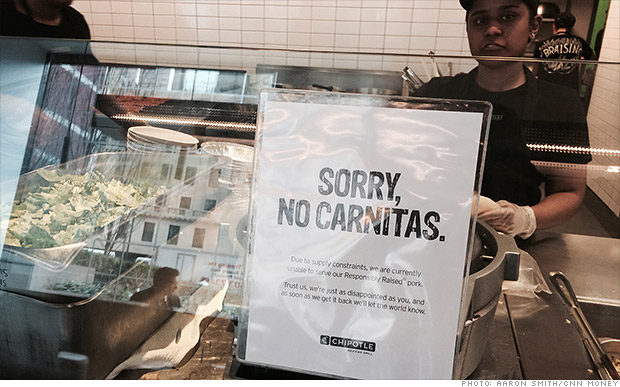
Chipotle Takes Pork Off Menu After Animal-Welfare Audit
Chipotle said it would suspend pork sales at about a third of its U.S. restaurants, following a routine audit that revealed one of its suppliers was not complying with its animal-welfare standards.
The inspection of the undisclosed supplier exposed some inconsistencies in protocol, communications director Chris Arnold said. Suppliers must raise pigs with access to the outdoors or in deeply bedded barns to improve their comfort. They cannot use antibiotics. "We could fill that shortfall with conventionally raised pork, but the animal welfare standards fall well short of our requirements, and (we) simply aren't willing to make that compromise."
Chipotle will not serve "carnitas" at some of these restaurants, rather than use conventionally raised pork, said Arnold. Instead, the burrito seller is looking at a host of options to address the shortfall, including procuring additional pork from existing suppliers or finding more suppliers.